Winter sports and dehydration:
While we generally remember to stay well-hydrated in the summer , we tend to lose this habit with the arrival of colder weather , but the body is subject to the same water stress as in summer. In fact, our body needs a regular supply of water all year round, regardless of the weather or season, to ensure the proper functioning of our system.
In winter, the drier, cold air at higher altitudes contributes to the drying out of skin, hair, and mucous membranes, and the sensation of thirst is also diminished. Therefore, we shouldn't rely solely on this. In addition, we feel a greater urge to urinate, leading us to believe we are drinking enough. Unfortunately, the urge to urinate is regulated, among other things, in the kidneys by the antidiuretic hormone, which limits water loss through urine. This hormone is inhibited when there is an increase in blood pressure, such as during periods of cold weather. Indeed, when cold reaches our skin, it triggers vasoconstriction. There are other causes of dehydration, notably physical activity, which naturally consumes water through perspiration, respiration, and muscle exertion. But we mustn't underestimate the effects of sun exposure and reduced access to fluids; all these factors will deplete our water reserves. Let's not forget that fighting the cold consumes energy.
Dehydration mechanism:
Winter sports demand significant physical effort: muscles are heavily used when skiing or snowboarding. Their activity generates heat that must be dissipated to regulate your body temperature. Sweating helps regulate body temperature by resulting in a loss of fluids and electrolytes (sodium, magnesium, potassium, etc.). This promotes dehydration, with water loss ranging from 0.5L to 1.5L per hour depending on the intensity of the activity.
However, mild to moderate dehydration has significant consequences for athletes and can lead to: decreased energy and reduced endurance, cramps, increased risk of injury, and impaired recovery. In fact, a 2% dehydration level represents a 20% drop in performance!
Preparing before your stay at the ski resort:
Looking to have fun on the slopes this winter? To prepare for skiing, it's important to build up your energy reserves: get enough sleep and eat a suitable diet rich in slow-release carbohydrates and vegetables. So, three days before your trip, include pasta, rice, semolina, potatoes, lentils, chickpeas, or split peas… for both lunch and dinner.
The priority for dietary adjustments will be to prevent dehydration and hypoglycemia, which are two important factors in sports accidents and injuries, especially if physical preparation has been neglected previously.
Regarding hydration, the main precaution is to "remember to drink it." It is recommended to drink at least one liter (outside of meals) for a day of skiing. Several drinks are suitable: water, fruit juice, or even flavored milk drinks;
Regarding energy intake, snacks such as cereal bars or fruit should not be neglected, as they will help replenish energy reserves.
What types of drinks should we favor?
During exertion and physical activity, our body loses not only water, but also electrolytes essential for its proper functioning, such as sodium, which is the main component of sweat. Therefore, the drinks we consume must act quickly and effectively to prevent dehydration and mineral deficiencies.
The carbohydrate content is also important to consider because it provides energy to the body.
Therefore, isotonic drinks are ideal because they promote the intestinal absorption of water, carbohydrates, and minerals. Furthermore, they act quickly without overloading the stomach, which could cause bloating.
Consuming an isotonic energy drink based on carbohydrates is therefore an excellent way to optimize hydration , whether during exercise or recovery, regardless of whether you practice endurance sports or not. The purpose of these drinks is to compensate for the loss of minerals and trace elements.
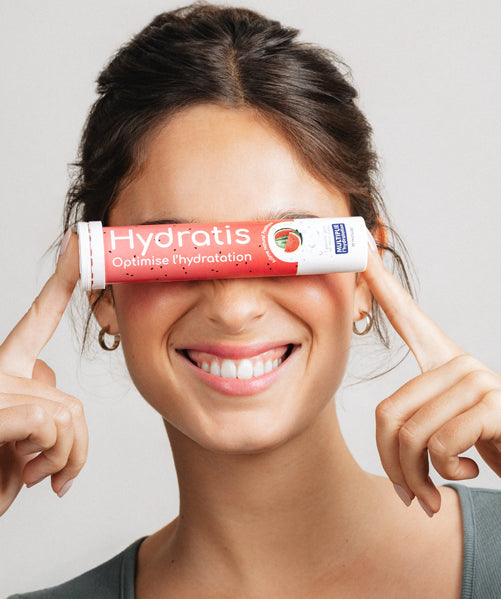
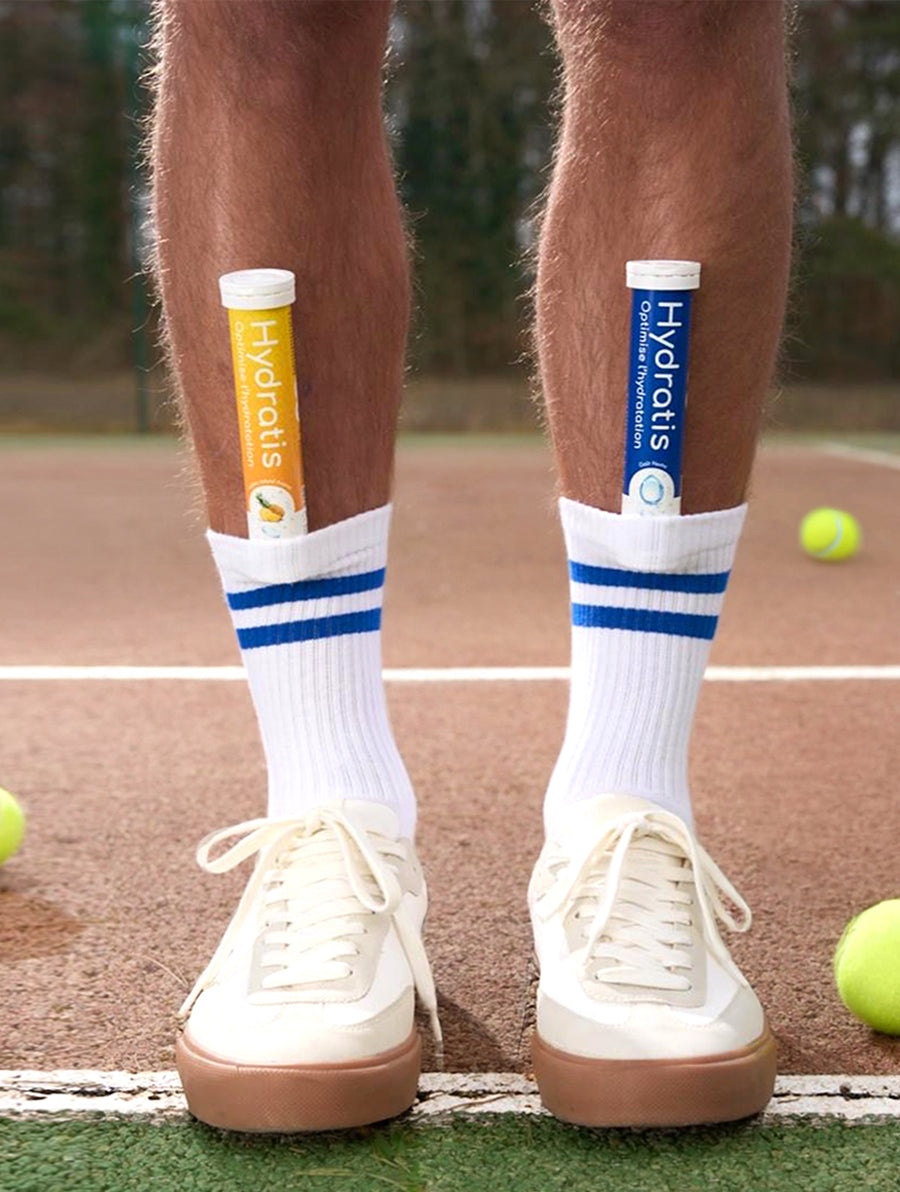
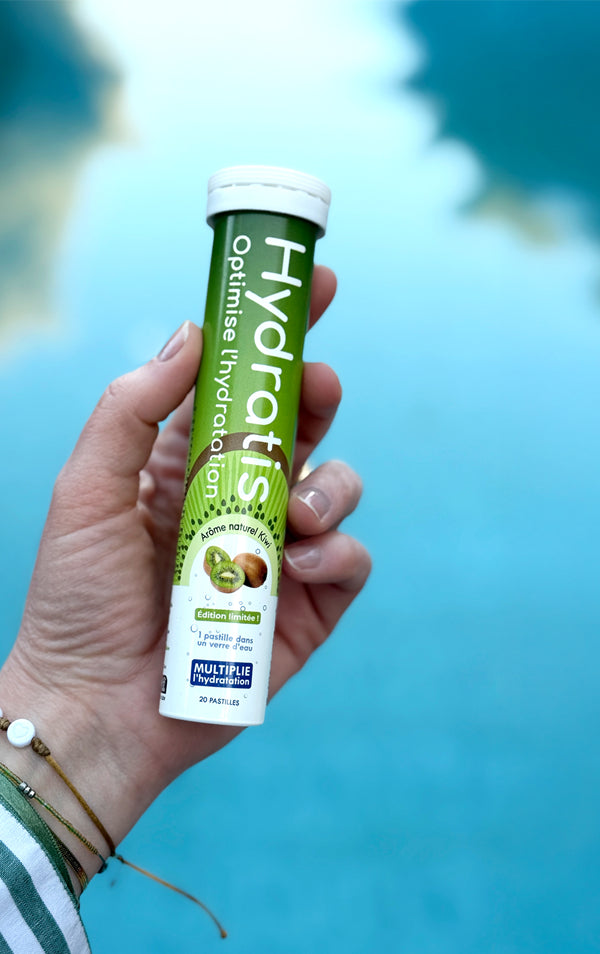
Hydratis is therefore your ally for your winter sports holidays in the mountains. Indeed, Hydratis tablets enrich your water with mineral salts, sodium and glucose, as well as trace elements, to create an ultra-hydrating drink while contributing to muscle recovery and reducing fatigue.