Are you a runner looking to improve your hydration and performance? Then you've come to the right place! Today we'll look at how and when to consume your electrolytes during your runs.
The basics: what is an electrolyte and why is it essential?
To understand how electrolytes can help you in running, we will start by defining what an electrolyte is .
Electrolytes are essential minerals (sodium, potassium, magnesium, and calcium) present in our bodies. Their role is to maintain the body's fluid balance , that is, the amount of water present in the body. Furthermore, they are essential for muscle contraction and relaxation. Sodium and calcium trigger contraction, while potassium and magnesium affect relaxation. Finally, they enable better nerve transmission ; it is the movement of electrolytes across nerve cells that creates electrical signals.
Running and hydration: a delicate balance

Hydration plays a very important role in a runner's performance and will therefore be important to optimize.
During physical exertion such as running, our body temperature rises and we use perspiration to regulate it. However, this loss through perspiration also leads to a significant loss of electrolytes . Sodium is the one lost most rapidly and in the greatest quantity, making it beneficial to replenish it.
Not all efforts are equal in terms of losses. Duration, intensity, and weather conditions are important factors to consider when assessing your perspiration and therefore the water and electrolytes lost.
The effects of an electrolyte imbalance can be debilitating in the short to medium term. For example, you may experience cramps or fatigue quickly after such an imbalance . In the longer term, your recovery may be slower, increasing your risk of injury.
To avoid these problems, try drinking small sips before, during, and after your run . However, if your run lasts longer than an hour, it's advisable to supplement your hydration with electrolytes. Finally, eating a balanced diet can also help.
Why do runners have increased electrolyte needs?
Running leads to a significant loss of water and electrolytes through perspiration, increasing fluid requirements compared to a sedentary person. This increase also applies to other electrolytes. During a one-hour run, a runner loses an average of 1200 mg of sodium, 400 mg of potassium, 30 mg of calcium, and 20 mg of magnesium. However, the daily requirements for a sedentary person are 2500 mg of potassium, 1000 mg of calcium, and 350 mg of magnesium.
Several factors specific to running explain this increased demand for electrolytes. Sweating removes minerals , while the increased heart rate and intensity of muscle contraction require sufficient intake to maintain performance and prevent premature fatigue. Sodium is essential for retaining water and preventing dehydration, while potassium and calcium play a key role in muscle contraction, ensuring efficient nerve transmission and limiting the risk of cramps.
An appropriate intake of electrolytes then helps to optimize hydration and prevent performance declines linked to mineral imbalances.
How and when should you consume electrolytes?

It is important to know when and how to consume electrolytes , so that your hydration is optimal.
For your information, electrolytes are present in isotonic drinks, electrolyte drinks , and certain foods. Isotonic drinks contain water, electrolytes, and a source of carbohydrates, which distinguishes them from electrolyte drinks, which do not necessarily contain sugar or contain a smaller amount. Thanks to their composition, electrolytes are particularly well-suited to prolonged exertion or hot weather conditions , as they help maintain the body's fluid balance.
It is also possible to obtain electrolytes from foods such as bananas , which are rich in potassium; avocados, which are a very good source of magnesium and potassium; as well as dried fruits and seeds . Eating a balanced diet tailored to your needs is important and allows you to consume electrolytes in other ways.
Regarding the timing of consumption, it is recommended to distribute electrolyte intake before, during, and after exercise:
Before: to optimize initial hydration and build up sufficient reserves.
During: to maintain fluid balance and prevent dehydration, it is advisable to drink at regular intervals, approximately every 15 to 20 minutes.
After: to promote recovery , restore lost electrolytes and effectively rehydrate the body.
A well-distributed intake adapted to the intensity of the effort effectively improves endurance, limits fatigue and optimizes athletic performance.
Our practical tips for using electrolytes effectively while running
To know if you are deficient in electrolytes, you need to monitor several symptoms , namely abnormal fatigue , muscle cramps , dark urine or nausea , which can be signs of a deficiency.
Adapt your strategy according to the conditions and the effort involved:
In hot and humid weather, perspiration is more abundant, leading to increased electrolyte loss, particularly sodium. It is therefore important to increase intake to compensate for these losses.
In cold weather, we often underestimate our hydration needs, but losses still occur, particularly through respiration and perspiration. Even if the sensation of thirst is less pronounced, a sufficient intake of electrolytes remains essential.
If your activity lasts more than an hour, it is recommended to consume an isotonic drink in addition to an electrolyte drink to maintain hydration and preserve energy. For activities under an hour, water alone may suffice, but it is not optimal for performance and recovery. We therefore advise adding electrolytes.
During training, it's crucial to test the drinks and dosages you'll use in competition. Monitoring your electrolyte intake helps prevent digestive issues or inadequate hydration that could negatively impact your performance on race day!

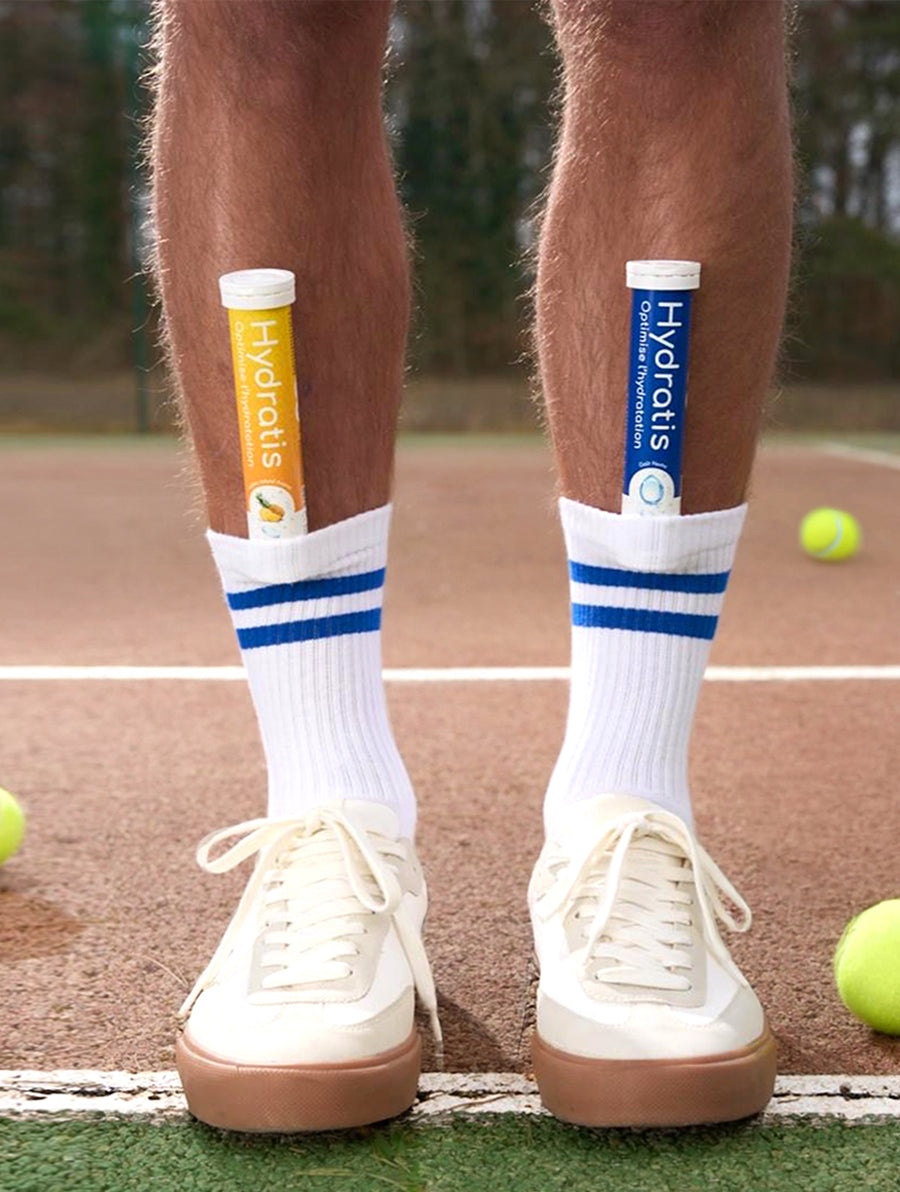
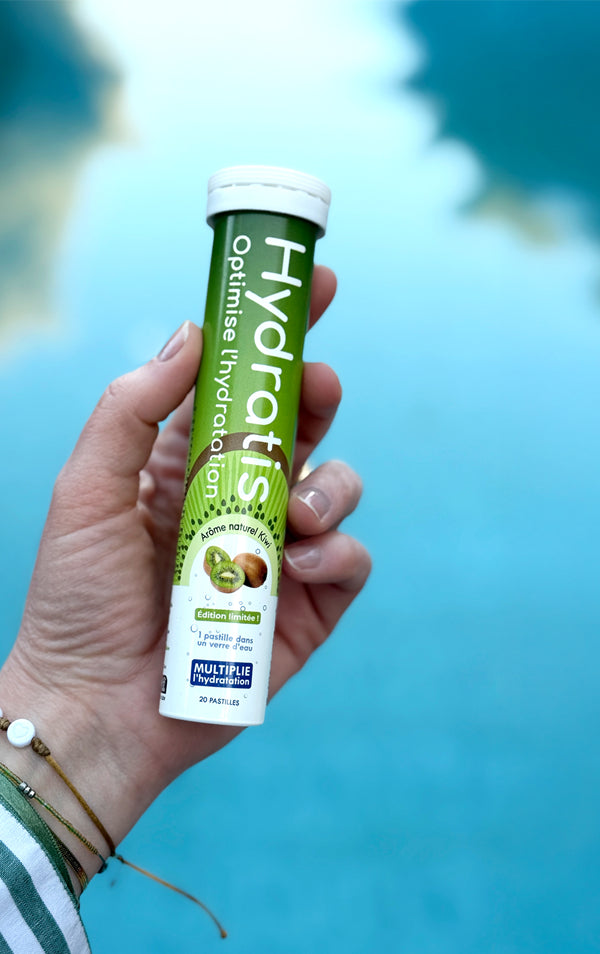
To make hydration easier, Hydratis has designed electrolyte tablets that allow for precise, simple, and effective dosing. Many athletes have already trusted us and use our products in their daily training. In addition to their hydrating properties, these tablets will enhance your drinks by adding your choice of flavor from a selection of ten (lemon elderflower, mixed berries, coconut, neutral, etc.).
Hydration is a performance factor in running , and neglecting it can lead to Muscle cramps, decreased endurance, or more difficult recovery can all be symptoms of dehydration. According to some scientific studies, dehydration of just 1 to 2% can lead to a 10 to 20% decrease in physical and cognitive performance! Proper electrolyte management therefore optimizes fluid balance, maintains muscle efficiency, and ensures good thermoregulation of the body.
Thanks to the advice in this article, you now have all the tools you need to adjust your electrolyte intake based on your training, weather conditions, and the duration of your effort. By adopting a suitable hydration strategy, you'll maximize your chances of performing well and recovering effectively!