Endurance, hydration and performance: Sports drink
Hydration is a crucial aspect for endurance athletes. It compensates for fluid and electrolyte losses. Replenishing these losses through effective hydration maximizes performance, as dehydration is a major contributing factor to poor performance, leading to discomfort, muscle injuries, cramps, and tendinitis.
In this article, we will explain why and how to hydrate before, during and after exercise to give you the best chance of succeeding in your challenge.
Did you know that a 2% weight loss (mainly due to water loss ) during exercise reduces an athlete's physical capabilities by 20% ?
Therefore, it is essential to plan your hydration to optimize your athletic performance!
Why drink water rich in electrolytes?
Proper hydration helps maintain an ideal body temperature and is also essential for replenishing nutrients and minerals lost through perspiration . Furthermore, sufficient hydration maximizes the body's supply of carbohydrates (and therefore energy) during exercise.
Indeed, muscles use glucose as their essential fuel, which is supplied directly by food.
However, during prolonged exertion, the body will also draw on its reserves: glycogen, considered the athlete's energy reserve, will be used. Present in the liver and muscles, glycogen can quickly release glucose into the bloodstream and provide energy to the muscles during physical activity.
To ensure good performance, it is necessary to build up sufficient glycogen stores. This starts with diet : It is best to consume low glycemic index carbohydrates (whole grains, lentils, basmati rice, etc.) and fiber (vegetables, fruits) which will optimize glycogen storage.
However, building up optimal glycogen stores also depends on hydration. Indeed, storing 1 g of glycogen requires 3 g of water , hence the importance of proper hydration .
The role of electrolytes?
Electrolytes are mineral salts that include: sodium, potassium, calcium and magnesium .
They are essential for proper cell function and must be replenished when they are lost, particularly during exercise (through perspiration or urine). Therefore, it is necessary to drink a beverage enriched with electrolytes .
This will improve the absorption of water and carbohydrates in the intestine. This water absorption promotes rehydration and helps retain ingested fluids more effectively.
Indeed, electrolytes carry an electrical charge and play an essential role in maintaining water balance inside and outside cells so that muscles and organs can continue to function properly, thus ensuring good hydration.
BEFORE THE EFFORT
Starting physical activity with maximum hydration levels will help you avoid, or at least delay, dehydration. It is therefore very important to stay well-hydrated throughout (at least) the entire week leading up to the competition (with a minimum of 2 liters of water per day , spread throughout the day).
A simple way to estimate hydration is to monitor urine color . Urine that is too dark most often means insufficient hydration, while lighter urine indicates good hydration levels.
Training is also an opportunity to measure your hydration needs. For example, you can weigh yourself before and after a workout. The difference in weight then indicates the fluid loss caused by the exercise.
In theory, it should be between 0.6 and 0.8 liters per hour. Therefore, you will need to adjust your hydration based on your own fluid losses . For example, if you calculate a loss of 500g for a certain intensity and duration, this will allow you to estimate that you need to drink at least 500ml of fluid for the same effort and duration.
For endurance exercise, it is recommended to consume an electrolyte-based drink which will compensate for the loss of carbohydrates, mineral salts and electrolytes.
Tip: Use your training sessions before your competition to test your drink and find the one that suits you.
DURING EFFORT
It's important to remember that thirst is only felt when dehydration is already well underway. It's recommended to drink small amounts frequently, rather than large amounts occasionally. This will ensure continuous hydration throughout the activity and prevent dehydration.
Drinking approximately 100 to 200 ml every 15 to 20 minutes is recommended. There is no benefit to drinking too much , as the stomach can no longer absorb the ingested water beyond 750 ml/h.
You should also avoid drinking water that is too cold (< 10°C) which can cause stomach cramps and diarrhea.
For very long events, the intake of fructose and glucose is also recommended.
Energy intake can also be increased by consuming a drink containing branched- chain amino acids (BCAAs) . This allows for the use of alternative absorption and metabolism pathways, as carbohydrate pathways can eventually become saturated.
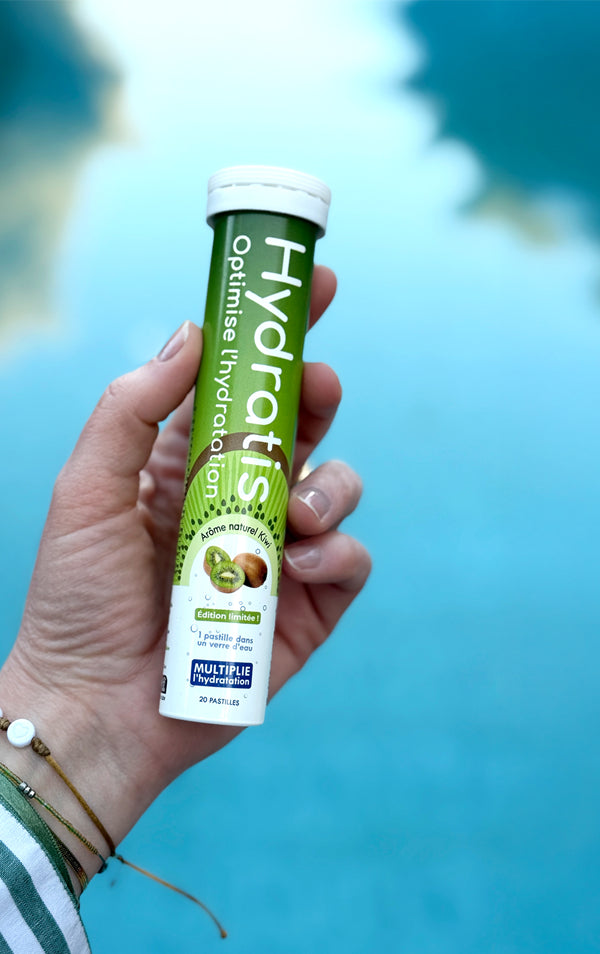
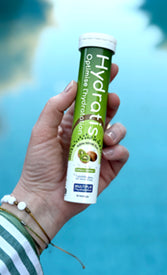
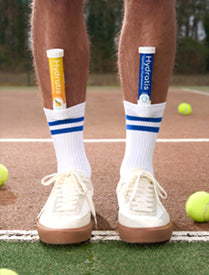
Remember to carry a water bottle with you throughout your workout. For a 500ml bottle , add two hydration tablets for optimal hydration!
Caution : Carbonated drinks are not recommended as they can cause bloating as well as gastric and intestinal discomfort.
AFTER THE EFFORT
In the first few minutes after exercise, it is important to rehydrate quickly .
A quantity of 0.4 L in half an hour, drunk in small sips or in two doses, is more than enough.
Once the feeling of thirst has passed, one can begin to ingest an electrolyte-based drink or solid food to replenish glycogen and electrolyte (mineral salt) stores.
Caution: Beer, tea and coffee are not recommended as they are diuretics, which would cause a loss of water greater than the intake (to be avoided during the rehydration phase).
FIND OUR PRODUCTS HERE and thousands of reviews from athletes!