How to treat gastroenteritis?
Winter is fast approaching, bringing with it the holiday season, time spent with family and friends, but also the drop in temperatures and the seasonal illnesses that accompany it. Among these is a particularly dreaded epidemic: gastroenteritis. To prevent gastroenteritis and its unpleasant symptoms from ruining the end of the year, there are remedies and good practices to follow if you do get sick. In this article, we explain why this illness is so contagious, how long it lasts, and how to relieve its symptoms as quickly as possible.
Gastroenteritis: a contagious disease
Gastroenteritis is an illness caused by two viruses: rotavirus , which affects children under 5, and norovirus , which infects the rest of the population. The reason gastroenteritis outbreaks are so significant each year is that these viruses are easily transmitted from one person to another.
The main modes of transmission are through direct contact, such as shaking hands with an infected person or breathing in airborne droplets. Consuming contaminated food or indirectly touching a surface that has been touched by a sick person is also enough to catch gastroenteritis. This is why the illness spreads so quickly, especially among young children who put their hands in their mouths.
Furthermore, it's important to know that an infected person is not contagious during the virus's incubation period, that is, when they are not yet experiencing symptoms. This period lasts 24 to 72 hours. However, they can still transmit the disease for up to 48 hours after the last symptoms appear.
Fortunately, gastroenteritis usually doesn't last long, with an average duration of three days. Therefore, if the illness persists beyond seven days, you should consult a doctor.
The best course of action is obviously to protect oneself from the virus and its spread by reducing the risk of contamination through simple actions such as:
- Washing hands after using the toilet or in public places (public transport)
- Cough into the crook of your elbow, sneeze into a handkerchief
- Use disposable tissues
- Wear a mask as soon as the first symptoms appear
What are the appropriate actions to take to deal with the symptoms?
Gastroenteritis is a very taxing condition for the body. The virus causes inflammation of the gastric and intestinal lining, explaining the abdominal pain, diarrhea , and vomiting . It can also cause a mild fever, often below 39°C (102°F). Besides the unpleasant and bothersome nature of these symptoms, the main consequence is dehydration. Due to irritation of the intestinal walls, water from food is not absorbed by the body; it remains in the stool, which explains its liquid consistency. This lack of water absorption is exacerbated by vomiting. Similarly, repeated vomiting prevents proper nutrition and the maintenance of stable blood glucose levels.
The key is to rehydrate and adapt your diet so that it is easily absorbed by the body and does not worsen inflammation of the digestive tract. To help you with this, we will explain how to rehydrate most effectively and what diet to adopt.
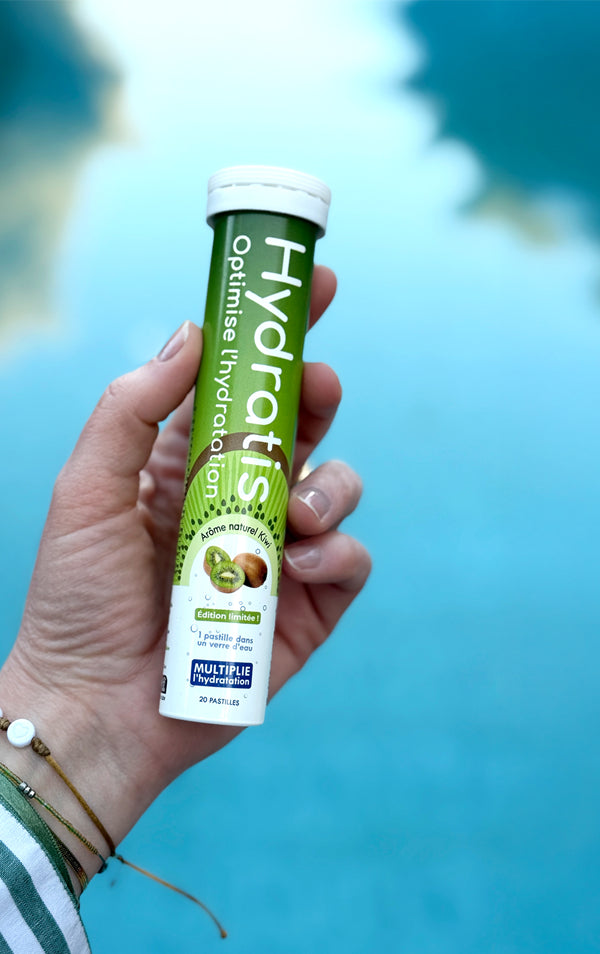
To help combat dehydration, the first thing to do is increase your fluid intake to 2 liters of water per day . However, it's important to remember that decreased water absorption also leads to electrolyte losses (sodium, potassium, chloride) that must also be replenished. Hydratis is the ideal solution to optimize rehydration and replenish the mineral salts lost due to diarrhea and vomiting. Thanks to its formula enriched with sodium and glucose, water absorption is maximized compared to drinking water alone, and it also replenishes electrolyte losses. Oral rehydration drinks are highly recommended in cases of gastroenteritis. They allow those at risk of dehydration—young children and the elderly—to rehydrate quickly . With flavored tablets that give water a pleasant, fruity taste, as well as a sachet range specially developed for seniors, Hydratis ensures effective rehydration for both children and adults.
Regarding diet, it's important to avoid foods that irritate the stomach and intestines (spices, fried foods, coffee, alcohol, and those rich in gluten), as these can worsen diarrhea and vomiting. High-fiber foods (fruits and vegetables, except for those mentioned below) should also be avoided, as they accelerate digestion and are therefore not recommended.
Similarly, lactose-based foods may need to be eliminated from the diet if they are not well digested and if symptoms are severe. Foods to favor should be rich in starch and pectin, two substances beneficial against gastroenteritis due to their constipating effect. Therefore, we recommend a diet based on rice and well-cooked carrots. You can also consume applesauce and ripe bananas, which will not worsen diarrhea and provide a source of sugar and potassium.
Some natural supplements sold in the pharmacy section can also help relieve stomach aches and loose stools. These include products containing activated charcoal, which detoxifies the intestines, or clay, which coats the intestinal lining and helps heal inflammation. However, be aware that these products can affect the absorption of medications; therefore, it's important to take them at least two hours before or after any other treatment.
Although unpleasant, gastroenteritis is fortunately a short-lived illness when the right precautions are taken. The most important thing is to maintain hydration levels, especially for those who dehydrate easily.
Hydratis is an ideal solution to compensate for mineral losses and rehydrate effectively.
Therefore, if an infant or an elderly person has gastroenteritis, you should not hesitate to consult a pediatrician or family doctor to avoid any potentially serious situation of dehydration. Finally, if the illness persists and/or aggravating factors appear (blood in the stool, weight loss, fatigue, and chronic pain, etc.), we also recommend that you consult your doctor without delay.