When you're an athlete looking for a drink to accompany your training sessions, you often come across electrolyte drinks and isotonic drinks , but you're probably wondering which one to choose?
In this article, we will look together at the differences between these two types of drinks and which people they are best suited for!
I. What is an electrolyte drink?

An electrolyte drink is a beverage primarily composed of water and electrolytes such as sodium , potassium , and magnesium . However, it may also contain carbohydrates to provide energy and optimize hydration . Furthermore, an electrolyte drink is hypotonic , meaning its concentration of solutes (electrolytes, sugars, etc.) is lower than that of blood plasma (approximately less than 275 mOsm/L).
Electrolyte drinks can indeed help you stay hydrated during light to moderate exercise or in hot weather , for example. After losing fluids through perspiration, it's also important to restore your body's electrolyte balance , and that's precisely where these drinks come in.
They come in several forms depending on your needs: they can be natural , like coconut water for example, which contains electrolytes, and can also be prepared at home , with water and salt, to provide sodium for example, or be bought in stores.
II. What is an isotonic drink?

An isotonic drink is a drink whose concentration of dissolved particles of electrolytes and carbohydrates is similar to that of blood plasma.
In general, it is composed of water as well as carbohydrates , to allow sufficient energy intake and electrolytes, such as sodium, potassium, calcium and magnesium , during prolonged physical exertion.
The aim of these supplements is, in particular, to maintain energy levels during exercise and to stay properly hydrated. This is why they are perfectly suited for endurance sports such as running , cycling , or triathlon, for example.
III. Differences between isotonic and electrolyte drinks
Electrolyte (hypotonic) drinks and isotonic drinks are distinguished primarily by their composition , osmolarity , and use .
Hypotonic drinks, also called electrolyte drinks, have a lower osmolarity than blood plasma. This means they are more diluted, which promotes rapid water absorption in the body . These drinks are ideal for replenishing lost fluids and minerals after significant sweating, such as during light or moderate physical activity, in hot weather, or in cases of dehydration due to illness. They provide essential electrolytes such as sodium, potassium, and magnesium without overloading the body with carbohydrates, making them suitable for general hydration.
In contrast, isotonic drinks are designed to have an osmolarity close to that of blood plasma (approximately 280 to 300 mOsm/L), optimizing the balance between rapid absorption and energy delivery. They are specifically adapted to intense and prolonged physical exertion, such as cycling or running, because they combine carbohydrates (6 to 8%) with electrolytes to maintain energy levels and support athletic performance.
IV. When should one or the other be preferred?
Hypotonic electrolyte drink
Hypotonic drinks contain almost no energy but provide essential minerals (sodium, magnesium, calcium, and potassium). They are recommended for light exercise or even for activities where hydration needs are increased , such as yoga, walking, or weight training, as well as endurance sports like cycling or running. It is also advisable to consume them in hot weather or in cases of dehydration, whether due to illness or other causes.
Isotonic drink
If you participate in endurance sports, or simply long and intense activities, isotonic drinks will help you get the energy and electrolytes you need to maintain proper hydration and carbohydrate replenishment . It's also important not to neglect recovery, replenishing the water, carbohydrates, and electrolytes that have been lost during the activity.

V. Common benefits for athletes
If you are an athlete, whatever your choice, these two types of drinks will have benefits in common.
The first, in particular, is maintaining fluid balance . Indeed, it's important to compensate for water loss due to physical exertion. And in both cases, the goal is to ensure optimal hydration and recovery before, during, and after exercise, in order to improve your performance.
Furthermore, they help prevent minor problems caused by electrolyte imbalances. Thanks to the minerals these drinks provide, they can help prevent cramps , for example, which are directly linked to this deficiency.
These two types of drinks can also be used simultaneously. Isotonic drinks will provide you with more energy during exercise, while electrolyte or hypotonic drinks will optimize your hydration!
VI. The benefits of Hydratis lozenges
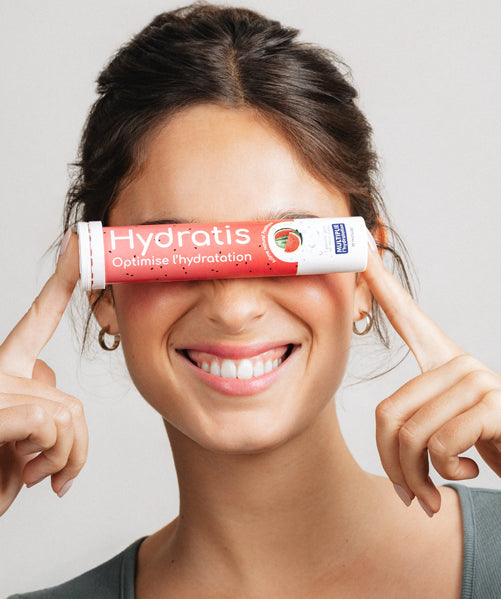
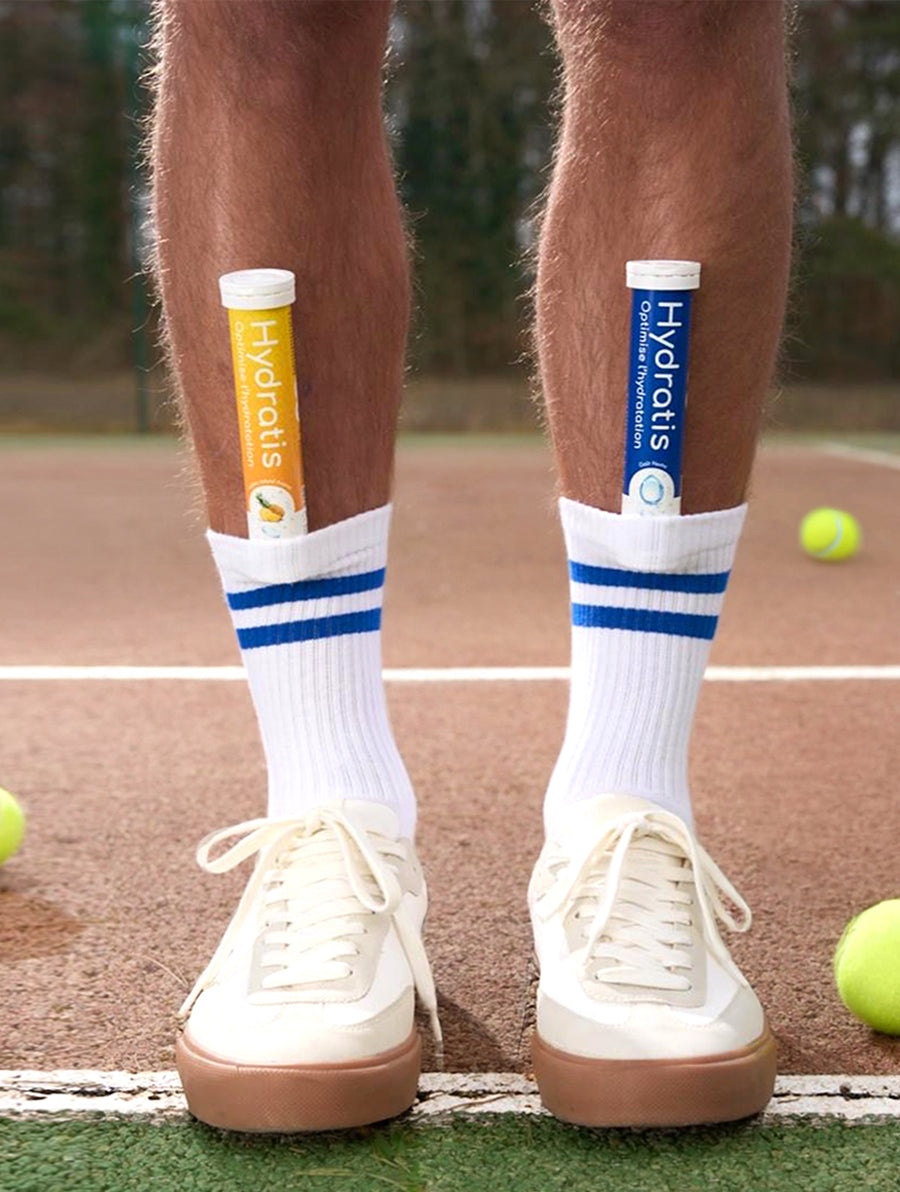
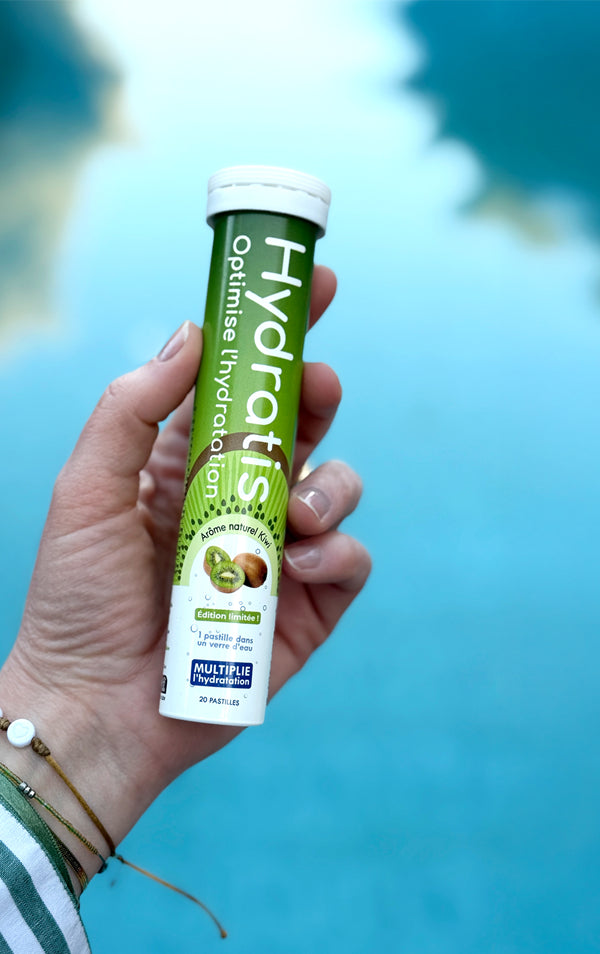
Hydratis is a solution containing electrolytes and a small amount of sugar, which helps increase water absorption in your body and thus improve hydration. The goal ofHydratis tablets is to maintain your body's fluid balance and ensure you receive the necessary electrolytes and minerals.
Hydratis can be used daily for well-being, sports, during periods of intense heat, or in cases of fatigue. Hydratis lozenges are available in various flavors such as forest fruits, peach, coconut, and many more!

It's now easier for you to understand and choose the right type of drink for you. Electrolyte drinks can be consumed daily and in many different situations. Isotonic drinks, on the other hand, are generally reserved for intense sports activities or prolonged exertion.
Bibliography