Gastroenteritis , often called "the stomach flu ," is one of the most common infections in children. Characterized by inflammation of the digestive tract lining, this viral or bacterial infection can lead to symptoms such as diarrhea , vomiting , and fever. When someone, especially a child, is affected by gastroenteritis, it becomes essential to pay close attention to hydration. The risk of dehydration is increased, so it's crucial to choose a beverage wisely to maintain fluid balance. The risk of malnutrition should also not be overlooked, which is why dietary adjustments are necessary. In this article, we'll explore the best food and drink options when dealing with gastroenteritis.
I. The risks of dehydration and drinks to avoid
The impact of gastroenteritis on fluid balance

When it comes to gastroenteritis, symptoms such as frequent bowel movements and severe vomiting can lead to significant loss of water and minerals , or electrolytes , thus disrupting the body's fluid balance. Diarrhea , in particular, is a common manifestation of this gastrointestinal infection, further increasing the likelihood of dehydration. Repeated fluid loss results in rapid water elimination, as does vomiting, which also contributes to significant fluid loss.
The consequences of dehydration
Dehydration , resulting from excessive water loss in the body, leads to a series of health consequences. The water that is a vital element involved in countless physiological processes; its deficiency can lead to side effects.
The effects of dehydration are numerous, ranging from mild symptoms such as thirst and dry mouth to more serious complications . A fluid imbalance can reduce concentration, mental and physical performance, and lead to increased fatigue. Vital organs such as the kidneys can also be severely affected.

Avoid carbonated and caffeinated drinks
When dealing with gastroenteritis , it's crucial to pay close attention to the beverages you consume . Therefore, it's essential to avoid carbonated drinks during this time. The primary reason is the increased risk of fluid and electrolyte loss, a critical scenario during gastroenteritis. Carbonated drinks can lead to abdominal distension and worsen symptoms such as bloating and nausea. They can be harmful to the already irritated digestive lining. Caffeinated drinks, on the other hand, have a laxative effect that can increase the likelihood of diarrhea. Therefore, avoiding them minimizes the chances of complications and promotes a faster and more effective recovery.
II. Gastroenteritis: the consequences in children
Gastroenteritis, as mentioned earlier, leads to frequent bowel movements and vomiting, resulting in fluid and nutrient loss, which can lead to dehydration and malnutrition if not treated properly. In children, who are still developing, the risks are even greater.
Malnutrition in children is characterized by visible weight loss and a deficiency in essential nutrients. A weight loss of 2 kg in one month can be an alarming sign, and gastroenteritis can worsen the situation. It is therefore crucial to act quickly to prevent these complications and preserve the child's growth.
Furthermore, it is crucial to note that significant fluid loss followed by insufficient rehydration can alleviate thirst and dry mouth without actually resolving the underlying dehydration. Therefore, ensuring adequate hydration to compensate for these losses is essential.
III. What foods should be prioritized?
Gastroenteritis leads to nutrient loss that can result in malnutrition . To avoid this , it is important to maintain a balanced and varied diet during the illness, and then for three to four days afterward, with a gradual return to normal eating habits.
There is no particularly effective diet, but some foods are regularly recommended by the French National Health Insurance (Assurance Maladie), for example. These include anti-diarrheal foods, such as:
- rice,
- cooked carrots,
- bananas,
- quince jelly or compote,
- or even bread.
In addition, it is not recommended to consume foods that are difficult to digest or have laxative effects, such as green vegetables and acidic fruits.
IV. Recommended beverages
The benefits of still water

During gastroenteritis, it's essential to prioritize plain water and drink about 2 liters per day to stay properly hydrated. Plain water, being decarbonated, allows for easier absorption without irritating the digestive system, which is often weakened during this time. It's a gentle way to maintain hydration and compensate for losses related to symptoms such as diarrhea and vomiting. However, it's also crucial to maintain sufficient sugar and salt intake, as a deficiency in these elements can jeopardize the body's hydration.
Oral rehydration solutions (ORS) to restore electrolytes
Oral rehydration solutions (ORS) are used in infants and young children to prevent severe dehydration caused by diarrhea. They are formulated with electrolytes such as sodium, potassium, or chloride, combined with sugars like glucose, in proportions equivalent to the losses that occur during diarrhea. The sugar provides energy, reduces vomiting, and facilitates water absorption in the intestines. In this way, they create a solution designed to aid rehydration .
It is important to note that before the age of eighteen months, all other beverages (natural or sweetened water, sodas, etc.) are inappropriate in cases of gastroenteritis.
Hydratis, a suitable solution

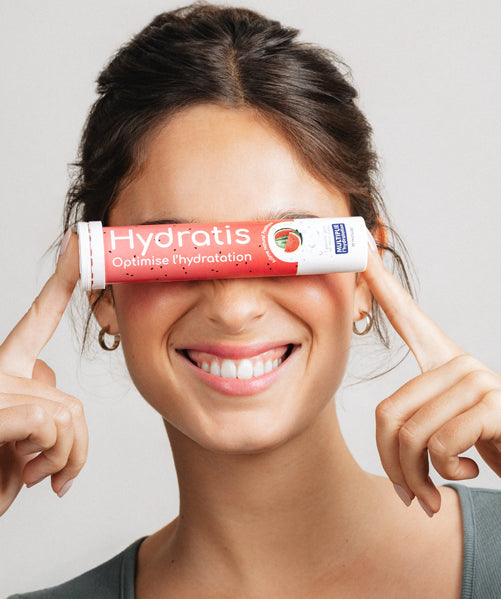
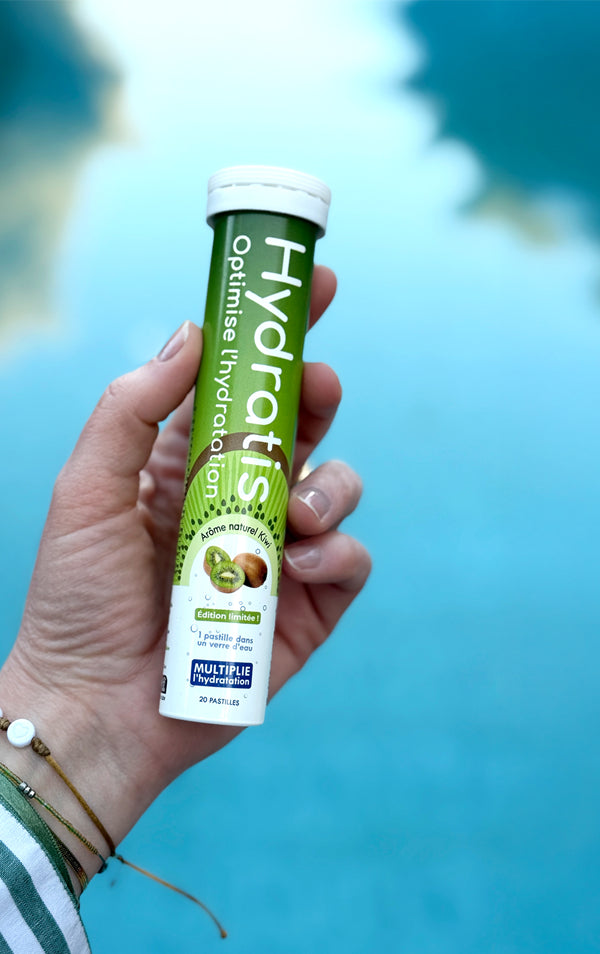
Hydratis lozenges are based on the principle of Oral Rehydration Solutions (ORS). They contain electrolytes such as magnesium, potassium, and chloride, promoting optimal water absorption with essential electrolytes for the body. Hydratis is recommended for preventing dehydration, and in cases of vomiting and diarrhea. It should be noted that Hydratis contains zinc, which, according to the WHO, reduces the duration of diarrheal episodes by 25% and stool volume by 30%.
V. Tips for staying hydrated easily
Split the doses
In the case of gastroenteritis , it is essential to maintain adequate fluid intake. For this reason, a specially formulated oral rehydration solution may be necessary to provide essential electrolytes and restore the body's fluid balance. It is then recommended to drink regularly, in small amounts , every hour, to promote rapid recovery . This approach allows for more efficient fluid absorption by the body, thus preventing the risk of dehydration. With the frequent nausea associated with gastroenteritis, drinking small amounts of water at regular intervals will help prevent discomfort!
Vary the flavors to make hydration more appealing
To make staying hydrated less of a chore, you can certainly try different flavors of hydrating drinks . Choosing liquids with natural and varied flavors can transform this experience into a more pleasant moment and encourage more regular water consumption. Hydratis offers a wide range of flavors. From hints of forest fruits to watermelon aromas, and even lemon and elderflower blends, you can add a touch of flavor to your water!
VI. What should we remember about food and hydration during gastroenteritis?
The symptoms of gastroenteritis can lead to a significant loss of fluids, mineral salts and nutrients, thus endangering the metabolism.
Maintaining adequate fluid and nutritional intake is therefore essential to prevent dehydration and malnutrition, and thus promote rapid recovery.
A varied and balanced diet will be a good first step towards recovery. For hydration, it's important to consider dividing intake into smaller, more frequent doses. In this regard, Hydratis solutions are an ideal option.
Bibliography:
Acute viral gastroenteritis – Public Health France
Childhood gastroenteritis: what to do and when to consult a doctor? | ameli.fr | Insured
Treatments for childhood diarrhea - VIDAL
Key facts about diarrheal diseases