You've probably heard that it's recommended to drink at least 1.5 liters of water a day. This is general advice, but it's important to understand the nuances because while water is essential in our daily lives, too much can be just as dangerous as too little. Discover the risks of overhydration for your health and learn how to prevent it.
What is hyperhydration?
Overhydration is characterized by an excess of water in the body. This imbalance occurs when the kidneys are no longer able to eliminate the excess water, often due to excessive fluid intake . Excessive water intake then leads to excessive dilution of electrolytes in the blood , particularly sodium, which plays a crucial role in regulating the distribution of water between cells and the extracellular environment. A drop in blood sodium, called hyponatremia , disrupts this balance and impairs proper cell function.
The consequences of this dilution can be serious: body cells, including brain cells, can swell due to this water retention . This can lead to symptoms such as fatigue, severe headaches, altered consciousness, and in some extreme cases, seizures or a coma .
What are the causes of overhydration?

The causes of overhydration are numerous and can be linked to specific behaviors or medical conditions. Certain medical conditions , such as kidney or heart disease, exacerbate this problem by reducing the kidneys' ability to properly filter water. Furthermore, some medications can cause water retention , thus increasing the risk of overhydration . Finally, during intense physical exertion or in hot weather, excessive hydration may seem necessary; however, it is crucial to adjust fluid intake according to the body's actual needs to avoid disrupting fluid balance.
What are the mechanisms involved?
When we drink too much water , the body must regulate this intake to maintain optimal fluid balance . The kidneys , which are responsible for filtering the blood and eliminating excess water through urine, can be overworked by this overconsumption. If their capacity is exceeded, the excess water remains in the body and enters the cells , causing them to swell —a phenomenon that can lead to edema in various tissues, including the brain, and result in the more serious complications mentioned earlier.
How does this differ from dehydration?
Overhydration and dehydration are two opposing states that disrupt the body's electrolyte balance . Dehydration occurs when the body loses more water than it takes in, leading to a high concentration of sodium in the blood plasma. This can cause cardiovascular problems, dizziness, or intense fatigue .
Conversely, overhydration leads to excessive dilution of electrolytes, particularly sodium. This is called hyponatremia . Hypo... what? This word is made up of three Greek roots:
- hypo, meaning "under," indicates a decrease or deficit.
- natr for "natrium" meaning sodium,
- émie for "in the blood".
Hyponatremia therefore means a low level of sodium in the blood.
What are the risks associated with excessive water consumption?
An electrolyte imbalance
Sodium and other electrolytes play a crucial role in maintaining fluid balance and transmitting nerve signals . Excessive water consumption lowers blood sodium levels, leading to hyponatremia . This electrolyte imbalance can cause water retention in body tissues, resulting in swelling or edema . Associated symptoms include fatigue, nausea, headaches, and in severe cases, seizures or coma .
Stress on the kidneys

The kidneys eliminate excess water from the body through urine . When too much water is consumed, they have to work harder to maintain fluid balance . If they can't keep up, this can lead to water accumulation in the body , increasing the risk of water retention . In the long term, this extra stress can make the kidneys less efficient and increase the risk of kidney failure .
Other complications
Excess water in the body can also have serious consequences for the brain . When brain cells absorb too much water, they can swell, causing cerebral edema . This swelling puts pressure on the skull, leading to severe symptoms such as intense headaches , altered consciousness , and in extreme cases, seizures or coma . These complications require immediate medical attention as they can be life-threatening.
How to identify and prevent overhydration?
Signs and symptoms of overhydration
The symptoms of overhydration may not be immediately apparent and therefore develop gradually. They include headaches, nausea, vomiting , confusion, general fatigue, and swelling of the limbs. In the most severe cases, symptoms such as seizures or coma may occur; these are signs of severe overhydration .
The recommended amount of water
The amount of water to consume each day varies from person to person, but as a general rule, it is recommended to drink about 1.6 to 2 liters of water per day. These needs are not fixed and should be adjusted according to each individual's profile. For example, a person engaging in intense physical activity , exposed to a hot climate , will need more water to compensate for fluid loss .
Tips for maintaining a healthy fluid balance
To prevent overhydration , it's crucial to listen to your body and adjust your water intake according to your daily needs . It's also recommended to favor a balanced diet that provides essential electrolytes such as sodium to maintain proper hydration. Therefore, it's important to incorporate water-rich foods like fruits and vegetables into your diet.
And what about Hydratis in all of this?
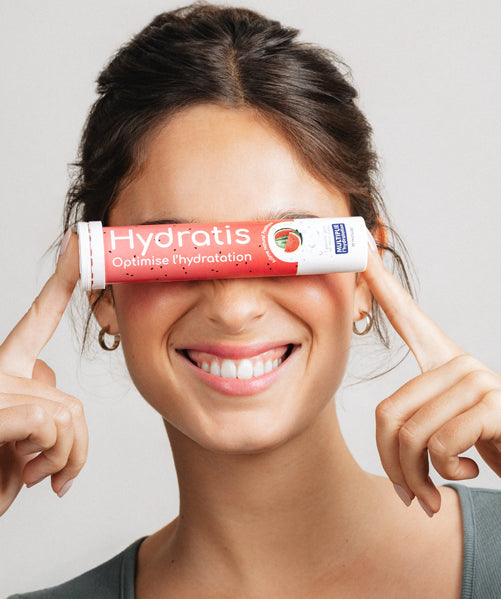
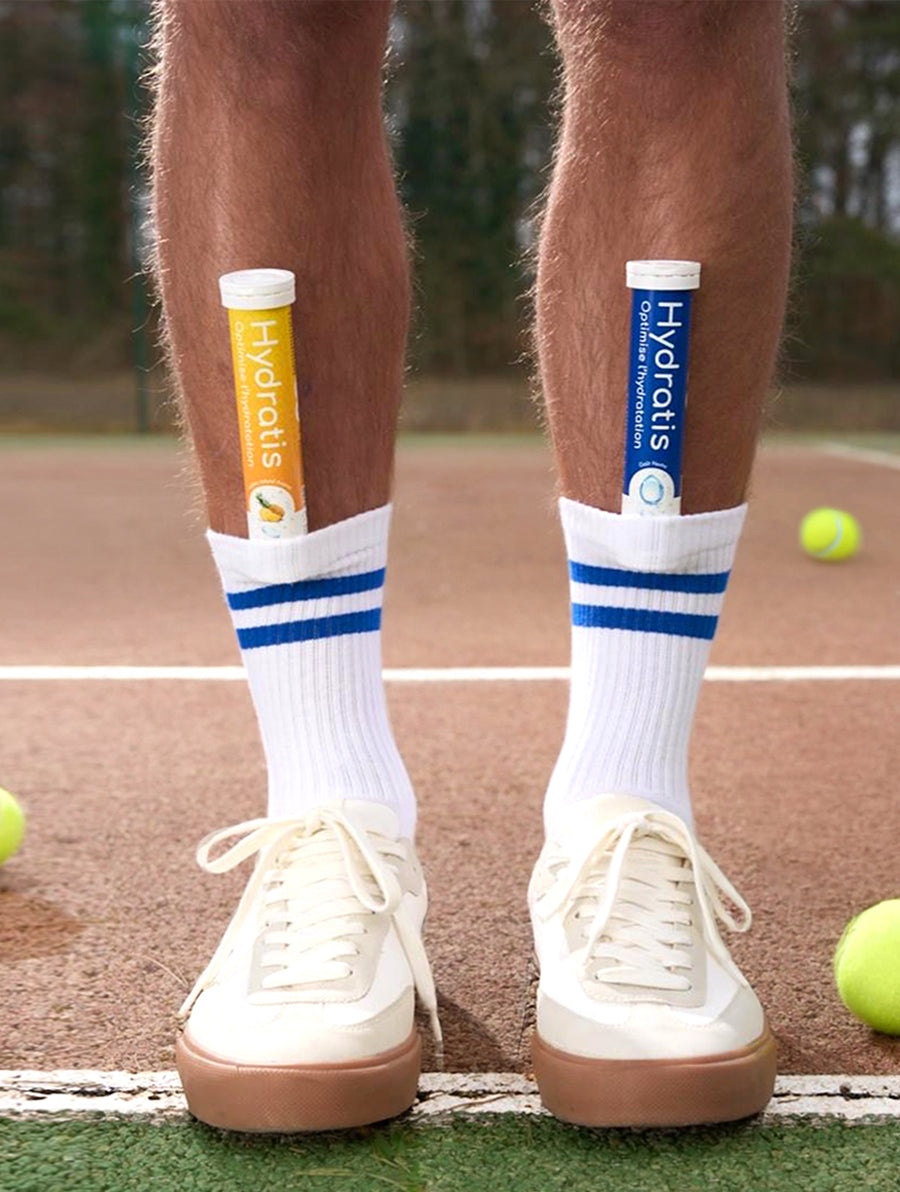
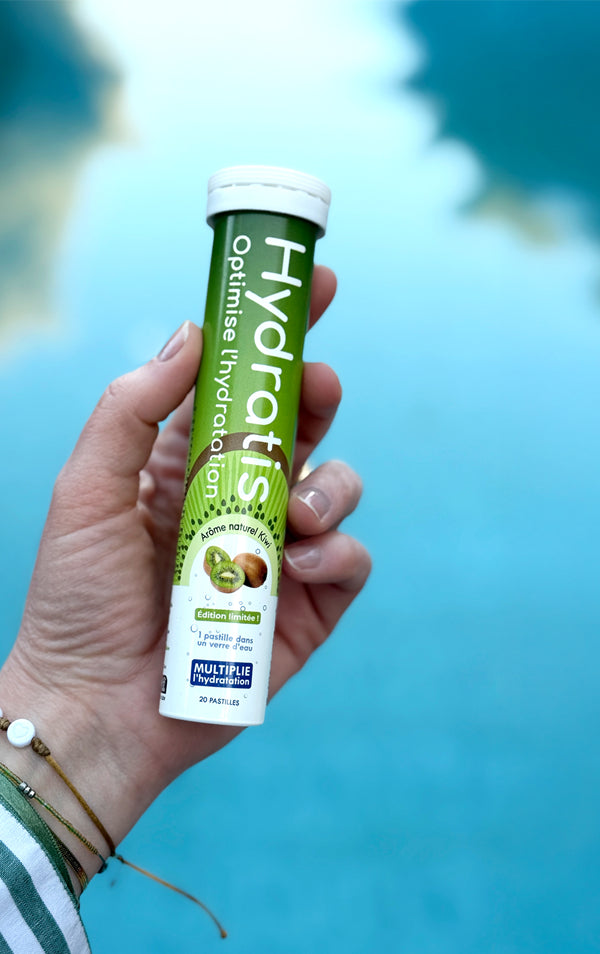
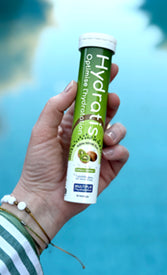
Hydratis lozenges optimize your hydration thanks to their precise composition of minerals and trace elements. They help maintain the body's fluid and electrolyte balance and promote water absorption into the bloodstream and therefore into your body tissues. The lozenges are formulated to help replenish electrolyte stores lost during physical exertion , on hot days, or simply in everyday life.

Our usage recommendations:
Simply dissolve one Hydratis tablet in a 250ml glass of water, twice a day. This ensures optimal hydration and helps prevent the dangers of dehydration, especially during periods of intense physical activity or in hot weather. Thanks to their specially formulated composition, the tablets optimize your fluid intake while maintaining the necessary balance to avoid the harmful effects of overhydration .
Overhydration is a little-known problem, but it's important to pay close attention to avoid drowning :) Drinking enough water is essential for maintaining good health, but it's equally important to do so in moderation! Listen to your body's needs by adjusting your water intake according to your profile, activity level, weather conditions, and health status. This will help you avoid the risks associated with excessive water consumption. You can take our online hydration assessment on our website to find out your water needs based on your profile and sports activities ;)