We know that water is essential for our health, however, it's sometimes difficult to know how much we need . In this article, we'll give you all the information you need to know how much water you should drink based on your individual profile.
1. Why is hydration essential?
Water is a fundamental element of your body, representing approximately 60% of your body weight. It plays a vital role in numerous physiological and physical functions. Water helps regulate body temperature through perspiration, transports nutrients, and allows your body to eliminate toxins with the help of the kidneys, which filter metabolic waste.
Insufficient hydration can cause several symptoms that are important to recognize: intense thirst , dry mouth and lips, dark and scanty urine , unusual fatigue, frequent headaches, as well as dizziness or difficulty concentrating can be signs of dehydration.
It is essential to drink regularly throughout the day, even if you don't feel thirsty! Adequate hydration will promote better energy, better digestion, and proper bodily function.
2. How much water should you drink each day?
2.1 General recommendations

According to the EFSA (European Food Safety Authority), daily water intake—including both water from beverages and food—is estimated at 2.5 liters per day for an adult man and 2 liters for an adult woman. On average, 80% of these needs are met through beverages, representing 1.6 to 2 liters to drink per day, and approximately 20% through food, primarily fruits and vegetables.
These needs vary depending on several factors: ambient temperature, level of physical activity, health status (fever, diarrhea, etc.), and physiological factors (pregnancy, breastfeeding). The WHO emphasizes that fluid loss can reach 1 to 2 liters per hour during intense physical exercise or a heatwave, which justifies adjusting fluid intake with, if necessary, supplemental electrolyte intake.
It is therefore recommended to drink regularly throughout the day, even in the absence of thirst, in order to cover these variable needs and maintain a good fluid balance .
2.2 According to specific profiles
Children have specific needs depending on their age. An infant is primarily hydrated by breast milk or formula, while an older child needs to learn to drink regularly, even if they don't feel thirsty. Because their bodies are more susceptible to dehydration, it's important to offer them water frequently. In fact, did you know that 61% of children and teenagers don't drink enough water every day?
As for adults, their needs vary according to sex . On average, a man needs to consume more water than a woman due to greater muscle mass and a higher metabolism. The EFSA recommendations are 2 liters of water per day for men and 1.6 liters for women .

Seniors need to be especially vigilant, as the sensation of thirst diminishes with age. Insufficient water intake can lead to problems such as fatigue, confusion, or an increased risk of urinary tract infections. To avoid dehydration, older adults are advised to drink regularly .
Pregnant women need to adjust their hydration levels throughout their pregnancy. Water is essential for fetal development and the proper functioning of the mother's metabolism. Good hydration also helps to limit minor issues such as constipation, cramps, and water retention.
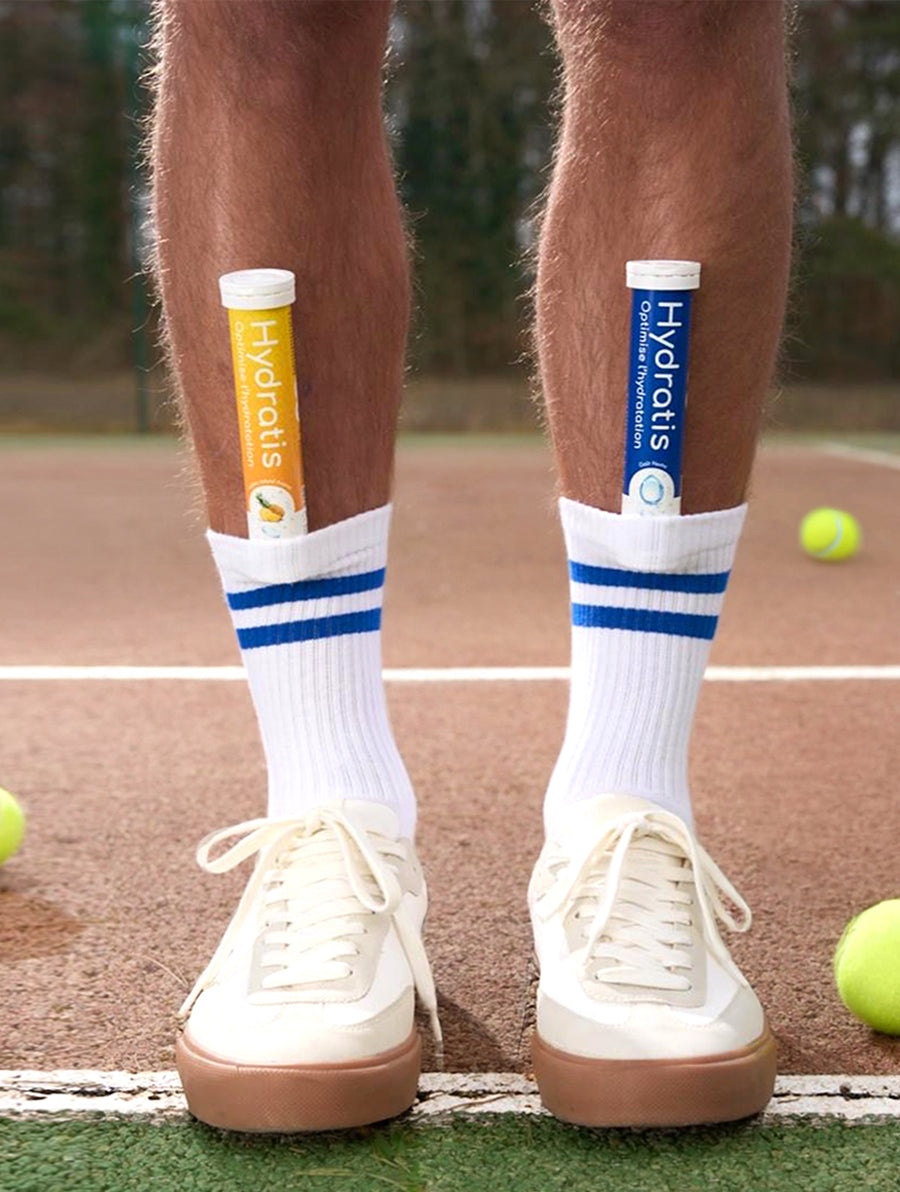
Athletes need to increase their water intake due to fluid loss through perspiration, ranging from 0.5 liters to 2.5 liters (sometimes even more! ). It is recommended to drink before, during, and after exercise to prevent dehydration and maintain optimal physical performance.
During a heatwave , water needs increase significantly. With more intense perspiration, it is essential to drink more to compensate for losses and avoid the risk of heatstroke.
When trying to lose weight , water plays an important role in feeling full and managing weight. Proper hydration helps regulate appetite and promotes better digestion. Drinking a glass of water before a meal can help reduce hunger pangs and limit snacking.
3. What are the dangers of drinking too much or too little?
3.1 The risks of insufficient consumption
Insufficient water intake leads to varying degrees of dehydration .
Mild dehydration can manifest as a feeling of thirst, unusual fatigue, headaches, and decreased concentration.
Moderate dehydration causes dry skin and mucous membranes, dark and scanty urine, and an accelerated heart rate.
Severe dehydration is a medical emergency and can lead to mental confusion, low blood pressure, severe dizziness, or even loss of consciousness.
In the most severe cases and for chronic dehydration, it can cause kidney or cardiovascular complications.
3.2 The risks of excessive consumption
While hydration is essential for health, it's also important to avoid excess. Drinking too much water, especially over a short period, can lead to an electrolyte imbalance in the body, particularly hyponatremia.
Hyponatremia occurs when the concentration of sodium in the blood becomes abnormally low, often due to excessive dilution related to water absorption. too rapid. This imbalance can cause symptoms such as nausea, headaches, muscle cramps, mental confusion, and in the most severe cases, cerebral edema. This type of situation remains rare and mainly occurs in extreme contexts, such as endurance competitions where large quantities of water are consumed without adequate sodium intake.
In a healthy person, the kidneys can eliminate up to 0.7 to 1 liter of water per hour, but beyond that, their elimination capacity is exceeded. Therefore, it is recommended to adjust your water intake to your actual needs, without excess or restriction, and taking into account the climate, physical activity, and diet.
In certain specific cases, behaviors linked to psychological or eating disorders can lead to chronic excessive water consumption, known as psychogenic polydipsia. This phenomenon remains rare, however, and should be addressed by a healthcare professional.
In summary, excess water is uncommon but can pose a real risk when not balanced by electrolyte intake. It is therefore best to drink regularly, listening to your body's signals, and to prioritize hydration tailored to your needs and activity level.
4. How to stay properly hydrated on a daily basis?
4.1 The best sources of hydration

The primary source of hydration remains water, of course, whether it comes from the tap or bottles. In addition, certain foods and drinks can also effectively contribute to your daily hydration intake.
Indeed, tap water is a practical, economical, and environmentally friendly solution. It undergoes strict controls to guarantee its potability. However, its composition can vary from region to region, particularly in terms of calcium and chlorine, which can affect its taste or digestive tolerance in some sensitive individuals.
Bottled water falls into two main categories. Spring water, which is lightly mineralized, is suitable for daily consumption, while natural mineral waters contain specific minerals (calcium, magnesium, bicarbonates, etc.) and can meet particular needs. It is advisable to alternate between different brands and types of water to avoid prolonged excess of any one particular mineral.
Hot drinks like tea, infusions, or herbal teas also contribute to hydration. They offer a calorie-free alternative for those who have difficulty drinking plain water. However, be mindful of caffeinated beverages (like coffee or sodas), which can have a mild diuretic effect in high doses and should not replace water in your daily hydration.
Fruit juices, although rich in water, also contain a significant amount of sugar. To limit their glycemic impact while still benefiting from their water content, it is best to dilute them with water.
Finally, fresh fruits and vegetables account for an average of 20 to 30% of total hydration. Those richest in water include cucumber, lettuce, zucchini, watermelon, melon, tomato, orange, and strawberry. In addition to their water content, they are an excellent source of vitamins, potassium, and antioxidants.
4.2 Tips to remember to drink
To avoid forgetting, several solutions exist, such as mobile apps that allow you to schedule regular reminders to drink throughout the day. For example, there's Hydro Coach, which lets you set your hydration goals.
Adopting small habits also makes hydration easier, such as always having a water bottle within reach. This encourages you to drink without even thinking about it!
Next, a good alternative for those who have difficulty drinking pure water is flavored water with pieces of fruit, mint leaves or lemon.

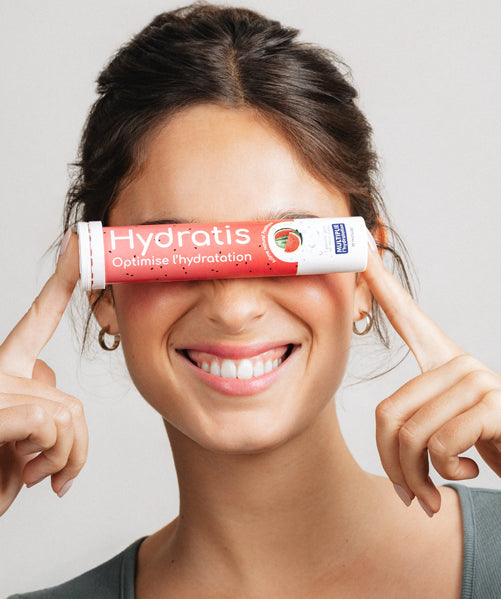
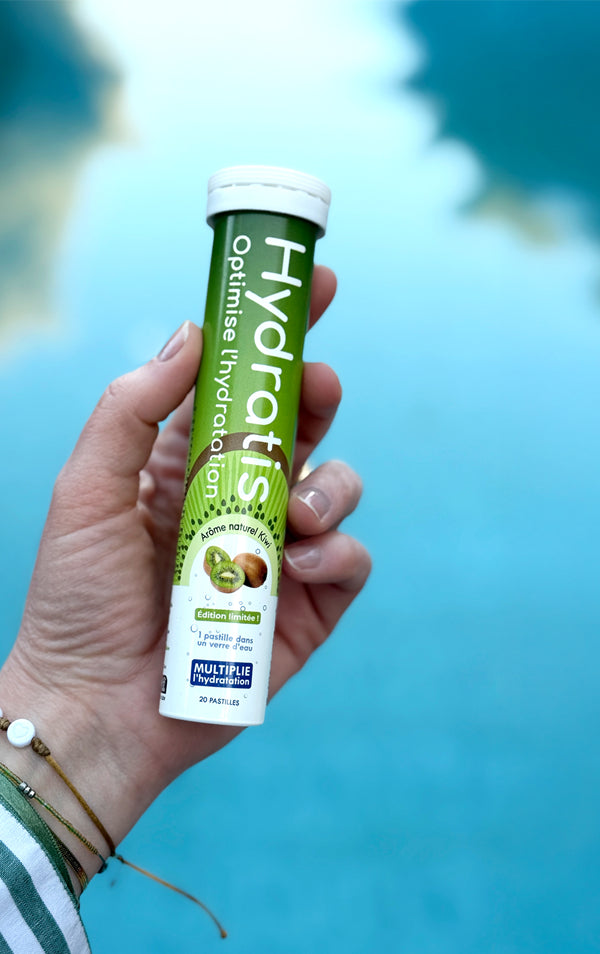
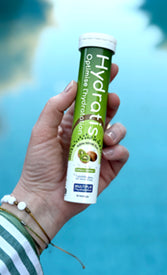
Hydratis tablets contain electrolytes that help your body absorb the water you drink. They come in a variety of flavors to suit everyone's taste. These tablets are therefore an excellent way to achieve faster and more effective hydration.
Frequently Asked Questions (FAQ)
- Is it good to drink 3 liters of water a day?
Drinking 3 liters of water a day may be suitable for athletes or in hot weather, but it's not necessary for everyone. Excessive consumption can cause hyponatremia.
- What is the right amount of water to avoid straining the kidneys?
The kidneys function properly with 1.6 to 2 liters of water per day. Drinking too little increases the risk of kidney stones, while excessive drinking can overload them. However, if you have kidney problems, we recommend consulting a doctor.
- How can you tell if you're drinking too much water?
Signs include very clear and frequent urine, bloating, nausea and, in severe cases, confusion due to low sodium.
Hydration is crucial for the proper functioning of your body. Drinking 1.6 to 2 liters of water per day helps regulate body temperature, eliminate toxins, and maintain fluid balance. Insufficient or excessive water intake presents health risks, such as dehydration or hyponatremia.
Different sources of hydration include tap water, mineral water, herbal teas, and fruit. To remember to drink, simple tips like using a reusable water bottle or setting reminders via apps can be very helpful. Remember, the key is to maintain good hydration levels to protect your health!
Bibliography
Wong, JMW, Ebbeling, CB, Robinson, L., Feldman, HA, & Ludwig, DS (2017). Effects of Advice to Drink 8 Cups of Water per Day in Adolescents With Overweight or Obesity. In JAMA Pediatrics (Vol. 171, Issue 5, p. e170012). American Medical Association (AMA). https://doi.org/10.1001/jamapediatrics.2017.0012
Arnaud, MJ, & Noakes, TD (2011). Should humans be encouraged to drink water to excess? In European Journal of Clinical Nutrition (Vol. 65, Issue 7, pp. 875–876). Springer Science and Business Media LLC. https://doi.org/10.1038/ejcn.2011.40