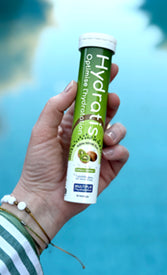
The WHO recommends limiting salt intake to 5 grams per day , which corresponds to approximately 2000 mg of sodium . This guideline primarily applies to the general population. However, as soon as you run a marathon, engage in repeated cycling, or ride on mountainous terrain, the situation changes completely . Your needs can rise well above the norm, sometimes two to three times higher , because you lose a significant amount of sodium through sweat.
However, a deficiency of this mineral during exercise can lead to early fatigue, nausea, confusion, digestive problems, and, in the most severe cases , hyponatremia . Therefore, it's important to anticipate your actual sodium needs to maintain performance while remaining safe.
Sodium and salt: what is the difference?

Don't confuse sodium and salt. These two terms do not refer to the same thing.
The table salt you use in cooking as a flavor enhancer is actually sodium chloride (NaCl) . It is primarily composed of chlorine (Cl) and sodium (Na).
Sodium , which is often listed on the labels of certain food products, is an electrolyte . It is present in the body as ions (Na⁺) and plays a role in several vital functions.
Sodium is a component of salt: it makes up approximately 40% of its total mass . In other words, there are approximately 400 milligrams of sodium in 1 gram of salt .
For an athlete, the important thing is not the salt itself, but the amount of sodium available and its effect on performance.
Why is sodium essential for athletes?
Sweat loss varies greatly from person to person. Some studies estimate that an athlete can lose 0.5 to 2 liters of sweat per hour , with a highly variable concentration of 230 to over 2000 mg of sodium per liter .
Without compensation, your blood volume gradually decreases , and your heart has to work harder to supply your muscles with oxygen and nutrients. As a result, you tire more quickly and your exercise tolerance decreases .
A recent review published in Performance Nutrition confirms that sodium intake before, during, and after exercise helps limit the effects of dehydration , promotes water retention , and Rapid rehydration and restoration of lost electrolytes .
In short, sodium is involved in maintaining fluid balance , intestinal absorption of certain nutrients, transmission of nerve impulses, and muscle contraction.
What are the sodium requirements according to physical activity?
|
Duration / Intensity |
Examples of activities |
Sodium requirements (estimated) |
Details |
|
Short effort (< 1 hour 30 minutes) |
Jogging, gym session, cycling < 1 hour, 10 km |
- |
Plain water and a normal diet are sufficient. |
|
Prolonged effort (1 hour 30 minutes to 3 hours) |
Half marathon, short trail run, medium-length bike ride |
Via sports drink or electrolytes . Adjust according to your sweating profile. |
|
|
Ultra/difficult effort (> 3 hours or high heat) |
Marathon, triathlon, ultra-trail, heatwave |
500 to 800 mg/h (or more in extreme heat) |
Essential mix: drink + electrolytes + salty food. |
|
Recovery (post-session) |
After any long or intense outing |
500 to 1500 mg (total within 2 hours) |
Prioritize diet: sodium-rich water , salty meals, broth. |
These figures are indicative values: always adapt your sodium intake to your perspiration, the intensity of the effort, the climatic conditions and your personal tolerance.
Should you take sodium supplements?
Sodium supplementation is not routine. It becomes relevant when the body's natural compensatory abilities become limited.
When can supplementation be useful?
This is often the case in four specific situations .
- Efforts exceeding 90 minutes ( Marathon, trail running, triathlon, long-distance cycling): beyond this duration, your cumulative losses become significant and difficult to compensate for solely through diet.
- Training or competition in hot weather: the heat increases your sweat production. Your sodium losses can therefore increase. double or triple compared to a temperate climate.
- Profile of "heavy sweater" : Some people naturally produce more sweat. If you notice white deposits on your clothes, it's crystallized sodium. You probably belong to this category, and your needs are therefore higher than average.
- Insufficient dietary intake: If your daily diet is low in sodium, you start with limited reserves. This becomes problematic during periods of intense training when needs increase.
When can supplementation be useful?

- Sports drinks : they provide water, carbohydrates and sodium simultaneously.
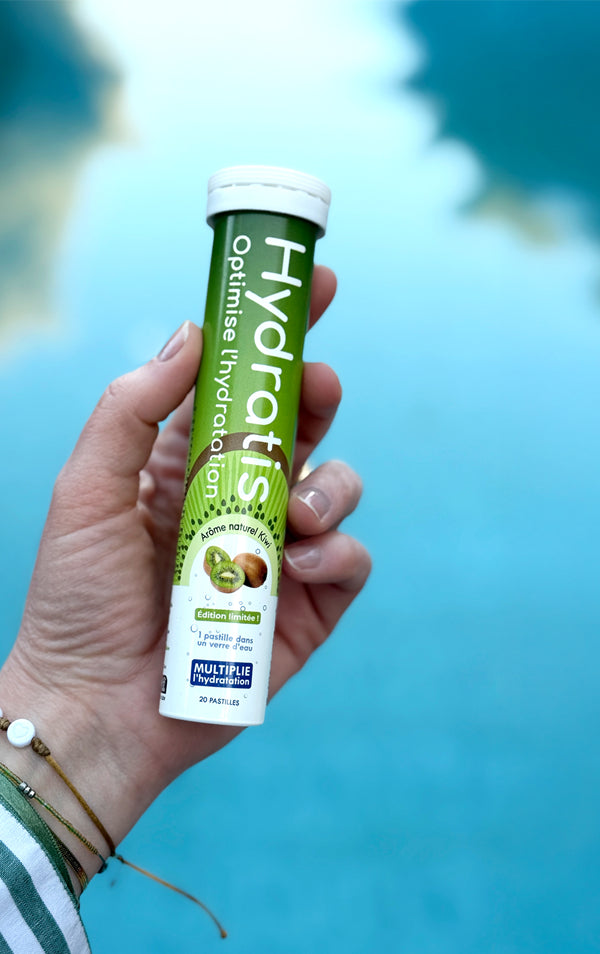
- Effervescent lozenges: You dilute them in your water bottle to obtain an enriched drink without too many calories.
- Salty foods : broths, salty energy bars, dried fruit. These are useful for fueling during very long events and also break the monotony of sugary foods.
- Salt capsules: precise dosage, but beware: risk of digestive problems if hydration is insufficient.
- Mineral waters rich in sodium: You can choose certain sparkling waters like St-Yorre (1708 mg/L) or Vichy Célestins (1172 mg/L), but you can also prepare homemade salt water (1 pinch of fine salt per liter of water).
Risks associated with poor sodium management
An isolated excess can cause digestive problems. (nausea, diarrhea), a temporary increase in blood pressure , or uncomfortable water retention (a feeling of bloating, temporary weight gain). These effects are usually transient in healthy individuals.
The real danger is related to hyponatremia ( blood sodium concentration < 135 mmol/L), often caused by excessive consumption of pure water without electrolytes during prolonged exertion .
Symptoms include: confusion, severe nausea, swelling and, in the most critical cases , seizures or cerebral edema, requiring emergency hospitalization.
Sodium and the athlete's daily diet
Sodium comes mainly from table salt, prepared meals, and some processed foods. The goal is to maintain a regular intake without chronic excess.
- Opt for naturally salty sources: seaweed, olives, shellfish, celery, mature cheeses, quality cured meats (in moderation).
- Salt your meals as usual. the day before and the day of a major effort to anticipate your losses.
- Eat a salty meal after exercise. to quickly restore your electrolyte balance. Examples: homemade vegetable broth, miso soup, bowl of rice with soy sauce, cheese omelet.
- Avoid low-salt diets without professional advice : active athletes have increased needs.
- Limit your intake of ultra-processed foods Although their sodium content is high, their nutritional quality remains low (low in micronutrients, high in additives).
Common mistakes athletes make with sodium
Mistake #1: Drinking only water on long outings. After 90 minutes, pure water gradually dilutes your blood sodium, and the risk of hyponatremia increases proportionally to the amount of water ingested without electrolytes. Alternate between pure water and electrolyte drinks , or add a pinch of salt to your water bottle.
Mistake #2: Banning salt for fear of high blood pressure. This recommendation mainly concerns sedentary people or those with diagnosed cardiovascular disease. An active, healthy athlete should not completely eliminate salt.
Mistake #3: Using a new product on race day. Your digestive system may react badly to a new formulation. Test your sodium intake strategy during training several weeks before race day . Replicate race conditions in terms of intensity, heat, and timing.
Expert testimonials and recommendations
Experts agree: properly managing sodium is essential to compensate for losses due to sweat.
According to Nina S. Stachenfeld , a researcher at the John B. Pierce Laboratory and Yale School of Medicine, said: " Ingesting sodium during or after exercise stimulates thirst and helps the kidneys retain water ."
Controlled studies show that Sodium-enriched drinks reduce the risk of hyponatremia and support performance maintenance. The effect is particularly pronounced after more than 2 hours of continuous exercise.
A dramatic event marked a turning point in public awareness regarding the importance of sodium for athletes . During the 2002 Boston Marathon, 13% of the 488 runners tested presented with hyponatremia. A 28-year-old female runner died of hyponatremic encephalopathy after consuming large quantities of water without sodium replacement.
FAQ
What is the role of sodium in the human body?
This mineral regulates hydration, supports nerve transmission and participates in muscle contraction.
Why is sodium important for endurance athletes?
Sodium compensates for sweat loss, maintains fluid balance, and helps stabilize performance during prolonged exertion.
How much sodium should an athlete consume per day?
Basic requirements range from 1500 mg at rest to 2500-3000 mg during regular training. During exercise, add 300 to 600 mg per hour. A very active athlete can therefore easily reach 4000-5000 mg per day.
What is the difference between sodium and table salt?
Salt contains sodium, but only sodium affects hydration and muscle function. One gram of salt provides 400 mg of sodium.
What happens if you become deficient in sodium during a marathon?
A lack of sodium leads to several effects: decreased performance, risk of hyponatremia and cramps. In severe cases, cerebral edema.
Is salt dangerous for the health of athletes?
Salt is not necessarily dangerous for active athletes as long as the recommended doses are respected. If you have high blood pressure or another heart/kidney condition, consult a professional before increasing your intake.
Should you take salt tablets for trail running or marathons?
Yes, especially in hot weather or when sweating heavily. Always take them with plenty of water to avoid digestive problems.
Conclusion
Sodium is a true ally for endurance athletes when managed intelligently and judiciously. Understanding your individual losses, adapting your intake according to the context (duration, intensity, climate), and avoiding extremes (both deficiency and excess) allows you to simultaneously optimize your hydration, recovery, and performance .
Bibliography
World Health Organization. (2025). Salt reduction . https://www.who.int/news-room/fact-sheets/detail/salt-reduction
Cardenas Dunne, D. (2023). Electrolytes: Mechanisms and implications for internal body functioning . Clinical Nutrition & Hospital Dietetics , 43(3), 01-02. https://doi.org/10.12873/0211-6057.43.03.206
Baker, L. B. (2017). Sweat Testing Methodology in the Field: Challenges and Best Practices. Sports Science Exchange, 29(161), 1–6. https://www.gssiweb.org/sports-science-exchange/article/sse-161-sweat-testing-methodology-in-the-field-challenges-and-best-practice
McCubbin, A. J. (2025). Sodium intake for athletes before, during and after exercise: review and recommendations. Performance Nutrition, 1 (Article 11). https://doi.org/10.1186/s44410-025-00011-9
Casa, D. J., Armstrong, L. E., Hillman, S. K., Montain, S. J., Reiff, R. V., Rich, B. S. E., Roberts, W. O., & Stone, J. A. (2000). National Athletic Trainers' Association position statement: Fluid replacement for athletes. Journal of Athletic Training, 35(2), 212–224. https://pmc.ncbi.nlm.nih.gov/articles/PMC1323420/
Murray, R., & Kenney, W. L. (2008). Sodium balance and exercise . Current Sports Medicine Reports , 7(4), S1–S2. https://doi.org/10.1249/JSR.0b013e31817f2133
Murray, B., Stofan, J., & Eichner, ER (2006, September). Hyponatremia in Athletes (SSE #88). Gatorade Sports Science Institute. https://www.gssiweb.org/sports-science-exchange/article/sse-88-hyponatremia-in-athletes
Stachenfeld, N.S. (2014). Sodium Ingestion, Thirst and Drinking During Endurance Exercise (SSE #122). Gatorade Sports Science Institute. Retrieved from https://www.gssiweb.org/sports-science-exchange/article/sse-122-sodium-ingestion-thirst-and-drinking-during-endurance-exercise
Wijering, LAJ, Cotter, JD, & Rehrer, NJ (2023). A randomized, cross-over trial assessing effects of beverage sodium concentration on plasma sodium concentration and plasma volume during prolonged exercise in the heat. European journal of applied physiology , 123 (1), 81–89. https://doi.org/10.1007/s00421-022-05025-y
Almond, CS, Shin, AY, Fortescue, EB, Mannix, RC, Wypij, D., Binstadt, BA, Duncan, CN, Olson, DP, Salerno, AE, Newburger, JW, & Greenes, DS (2005). Hyponatremia among runners in the Boston Marathon. The New England journal of medicine, 352(15), 1550–1556. https://doi.org/10.1056/NEJMoa043901