Drinking water is essential for your health , energy and daily well-being .
But that 's not always enough. For your cells to function properly, your body also needs minerals, including electrolytes .
Often underestimated, they play a key role in the proper functioning of your bodily functions , especially during physical exertion , high temperatures or episodes of dehydration .
In this guide, we explain when to take electrolytes , what they are used for , and in what situations their consumption can be beneficial , or even necessary .
Electrolytes: what are they?
Definition and role in the organism
Electrolytes are electrically charged minerals present in your bodily fluids ( blood , sweat , urine ).
They enable the proper functioning of cells , muscle contraction , blood pressure regulation , and nerve transmission .
The main electrolytes: sodium, potassium, magnesium, calcium
Here is a list of the main electrolytes:
- Sodium : it retains water in the body, regulates blood pressure and allows the transmission of nerve impulses .
- Potassium : it supports muscle activity and blood pH .
- Magnesium : it promotes muscle relaxation and recovery .
- Calcium : it plays a role in muscle contraction , coagulation , bone strength and the activation of certain metabolic enzymes .
-
Chloride : it helps maintain blood acidity and osmotic pressure , in addition to sodium .
Natural sources vs. electrolyte supplements
You can find these elements in various foods : bananas , coconut water , green vegetables , lightly brewed teas , lemons , or certain fruits rich in potassium, magnesium, or calcium . However, these intakes may be insufficient in some situations .
Electrolyte drinks , tablets or rehydration sachets These can then quickly compensate for excessive loss . It is advisable to compare prices , reviews , ingredients , and formats before choosing the most suitable drink.
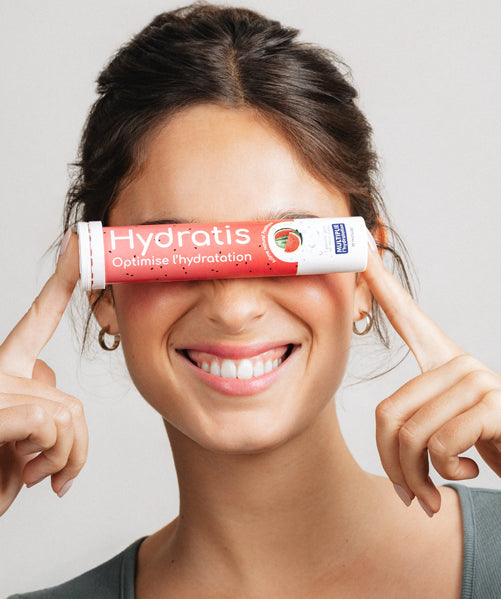
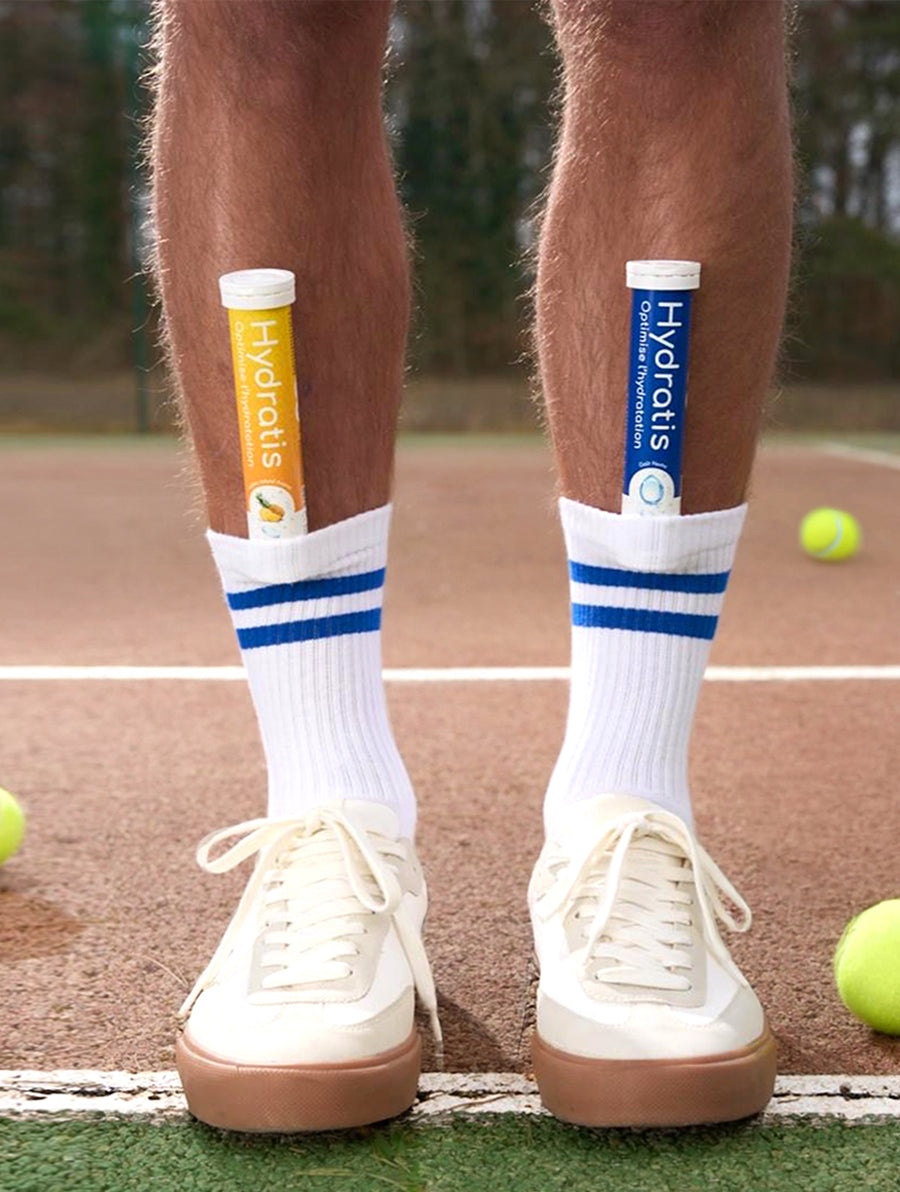
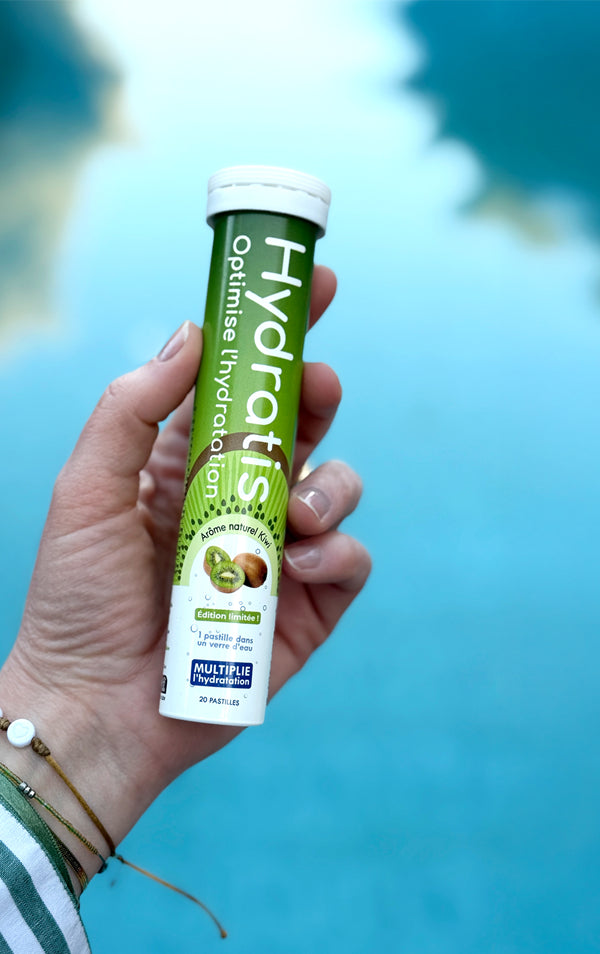
The lozenges Hydratis are designed to promote optimal hydration and a balanced mineral intake . They are distinguished by their ease of use , as they simply need to be dissolved in water .
Their pleasant taste , neutral or fruity , makes hydration both easy and enjoyable .

The benefits of electrolytes
Cellular hydration and fluid balance
Electrolytes ensure optimal hydration by maintaining the correct distribution of fluids between your cells and your bloodstream .
After intense physical activity or a prolonged race , their contribution then becomes indispensable .
Fortified drinks or dissolving tablets therefore allow for more effectivehydration than simply drinking water .
Without them, water alone may not be enough to properly hydrate your body after significant fluid loss .
Muscle function and recovery
They are very useful for prevent muscle contractions , reduce post-exercise pain and promote good recovery .
Chloride , magnesium , and potassium allow muscle fibers to function without imbalances , thus limiting the occurrence of cramps .
Proper electrolyte management also contributes to more stable muscle performance .
Support for nerve and cardiovascular functions
A good electrolyte balance , particularly in sodium and potassium , is essential for the normal functioning of the nervous system and the heart .
A deficiency in these minerals can cause a drop in blood pressure , fatigue or dizziness .
Maintaining this balance requires a diet adapted to your needs and lifestyle .
When should I take electrolytes?
1. During intense or prolonged physical activity
During prolonged exertion ( running , cycling , hiking , endurance sports ), your body loses a lot of water and minerals through sweat (especially sodium!).
Drinking only water can lead to a dilution of sodium , thus causing hyponatremia .
An electrolyte drink to allow you to maintain your performance and fill this gap .
2. In hot weather or in case of excessive perspiration
During the summer months , the body sweats more to regulate its temperature .
This water loss is also accompanied by a loss of essential minerals such as sodium and potassium. or magnesium .
Without compensation , this can cause fatigue , cramps or a drop in energy .
Hydration containing electrolytes then helps to restore balance and stay in shape even in the heat .
3. In cases of dehydration related to illness (fever, vomiting, diarrhea)
Fever or gastrointestinal episodes cause a rapid loss of fluids and minerals .
In this case, the World Health Organization (WHO) recommends oral rehydration solutions (ORS) containing sodium , potassium , glucose , and an alkalizing agent such as bicarbonate or citrate . These solutions are generally recommended for infants .
These solutions help to compensate for water and electrolyte losses , and to correct metabolic acidosis, often associated with dehydration .
4. During periods of stress, intense fatigue, or digestive problems
Chronic stress , fatigue or an unbalanced diet can disrupt the electrolyte balance of your body , as they influence perspiration , digestion and the absorption of essential minerals .
A one-off course of electrolytes can then offer quick support .
5. In the case of a ketogenic or low-carbohydrate diet
Low-carbohydrate diets induce increased loss of sodium and potassium .
Indeed, reducing carbohydrates decreases glycogen reserves , which retain water and electrolytes , leading to their loss .
An electrolyte supplement can thus prevent the symptoms of keto flu ( dizziness , nausea , muscle tension ).
How do you know if you need electrolytes?
Signs of an imbalance: cramps, headaches, fatigue, dizziness
Be aware that symptoms such as cramps , headaches , unusual fatigue , dizziness , or rapid weight loss due to sweating may signal a deficiency .
If you experience any of these signs , it may be necessary to consult a healthcare professional , rest , and stay hydrated . and to restore your electrolyte balance quickly .
When water alone is no longer enough
If you drink regularly but still experience fatigue or pain , your cells may be deficient in electrolytes . This often happens after prolonged exertion or in intense heat .
In this case, it may be helpful to consume drinks or foods containing electrolytes to restore your body 's balance .
Is it possible to consume too many electrolytes?
The risks of excess (particularly of sodium or potassium)
Chronic excess can cause adverse effects . Indeed, too much sodium It can lead to water retention , weight gain , or high blood pressure . Excess potassium can affect heart rhythm . Therefore, it is important to adhere to the recommended dosages .
If you are taking Hydratis tablets , we recommend adhering to the recommended daily dosage to maintain a healthy electrolyte balance and avoid excess . If you have any questions, we recommend consulting your doctor.
Should it be taken every day?
No. A daily dose is not necessary for everyone.
It depends on your diet , physical activity , and exposure to heat . In some cases, such as during travel or illness, their consumption can also be beneficial.
If your diet is varied and you do not sweat excessively , natural hydration is sufficient.
Dosage and recommendations according to lifestyle
- Regular athletes: consume electrolytes during or just after exercise to compensate for losses due to perspiration and promote recovery.
- Sedentary people: occasional supplementation may be useful, particularly in cases of fever, diarrhea or periods of intense stress.
- Diet low in fruits and vegetables: A light electrolyte supplement helps maintain a good daily mineral balance.
- Hot climate: prioritize hydration containing electrolytes during periods of high heat to prevent fatigue and dehydration.
5 common misconceptions about electrolytes

"Drinking water is always enough."
That's false. In cases of dehydration , water alone does not compensate for mineral losses .
"All sports drinks are effective."
Some are too sugary or low in minerals . It is essential to check their composition and choose them according to your needs .
"You need to take electrolytes before each session."
No. Normally, electrolytes are already present in your body before exercise . They become useful before , during , or after exercise , especially if the activity lasts more than an hour or takes place in high heat , because you lose them through sweat .
"They are reserved exclusively for athletes."
False. Anyone exposed to fluid loss can benefit: children , adults , the elderly or the sick .
"Electrolytes cause bloating or weight gain."
No, except in cases of excessive sodium consumption over the long term . When used in moderation , they do not cause weight gain .
Frequently Asked Questions (FAQ)
When to consume electrolytes?
During intense physical activity , in hot weather , or in case of significant fluid loss .
How do you know if you need electrolytes?
If you experience cramps , dizziness , unusual fatigue , or excessive sweating , it is likely that your electrolyte reserves are low .
Is it good to drink electrolytes every day?
Not necessarily. It's useful if you have increased needs ( sport , heat , dehydration ), but excessive consumption can unbalance your body .
Are electrolytes only for athletes?
No. Anyone exposed to significant fluid loss or mineral imbalance can benefit from it.
What is the best source of electrolytes?
Natural foods ( bananas , coconut water , green vegetables ) are excellent . Electrolyte solutions can also be helpful .
In summary
Electrolytes are These are valuable allies for your health, energy, and recovery . Knowing when and how to take them will allow you to optimize your hydration , prevent the effects of dehydration , and support your physical and mental performance . Listen to your body , adjust your intake according to your needs , and avoid excesses . Optimal hydration relies first and foremost on a good balance.
Bibliography
Shrimanker, I., & Bhattarai, S. (2023). Electrolytes. In StatPearls [Internet]. National Center for Biotechnology Information.
https://www.ncbi.nlm.nih.gov/books/NBK541123/#:~:text=Electrolytes%20are%20essential%20for%20basic,from%20our%20food%20and%20fluids
Ly, NQ, Hamstra-Wright, KL, & Horswill, CA (2023). Post-exercise rehydration in athletes: Effects of sodium and carbohydrate in commercial hydration beverages. Nutrients, 15 (22), 4759.
https://www.mdpi.com/2072-6643/15/22/4759#:~:text=2.6,ORS%20and%20SD%20promoted%20greater
Rosner, M.H. (2019). Exercise-associated hyponatremia. Clinical Journal of the American Society of Nephrology.
https://pmc.ncbi.nlm.nih.gov/articles/PMC6735969/#:~:text=Excessive%20Fluid%20Intake
Skartun, O., Smith, CR, Laupsa-Borge, J., & Dankel, SN (2025). Symptoms during initiation of a ketogenic diet: A scoping review of occurrence rates, mechanisms and relief strategies. Frontiers in Nutrition.
https://www.news-medical.net/news/20250413/What-really-causes-keto-flu-and-how-can-you-prevent-it.aspx#:~:text=However%2C%20a%20potential%20obstacle%20to,prevent%20or%20treat%20these%20symptoms
Asp, K. (2023). Can electrolytes help ease a hangover? WebMD Health Library.
https://www.eatingwell.com/article/8043337/electrolytes-and-hangover/#:~:text=The%20short%20answer%20is%20probably,severe%20symptoms%20of%20a%20hangover
MSD Manuals. (nd). Metabolic acidosis. MSD Manual, Professional Version.
https://www.msdmanuals.com/fr/professional/troubles-endocriniens-et-m%C3%A9tabolices/r%C3%A9gulation-et-troubles-acido-basiques/acidose-m%C3%A9tabolice
Ministry of Health and Prevention of Senegal. (2013). National Guidelines: Oral Rehydration Salts - New Formulas. World Health Organization.
https://platform.who.int/docs/default-source/mca-documents/policy-documents/guideline/SEN-CH-23-01-GUIDELINE-2013-fra-Directives-nationales-SRO-sr-nlles-formules.pdf