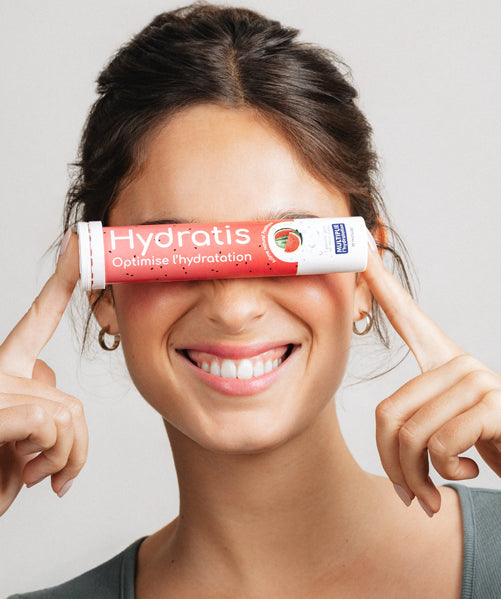
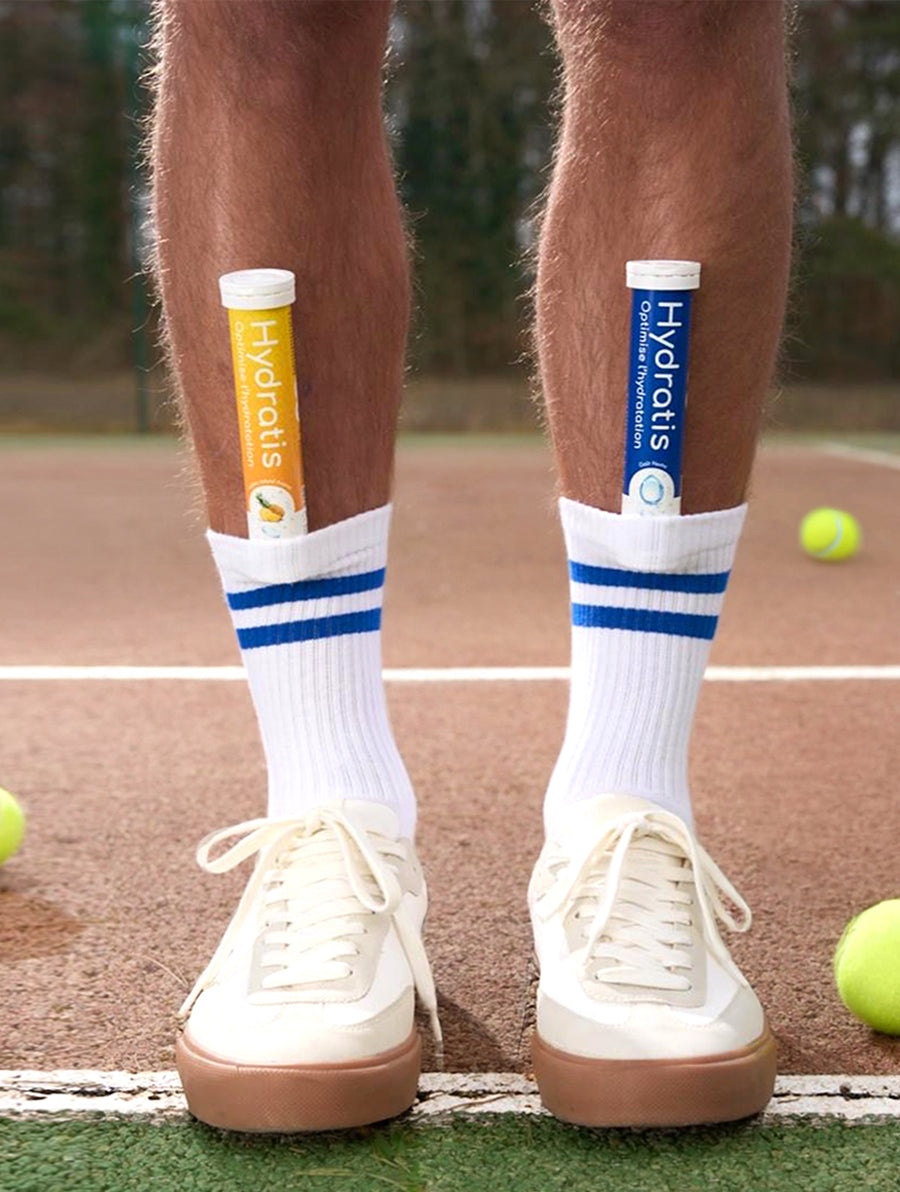
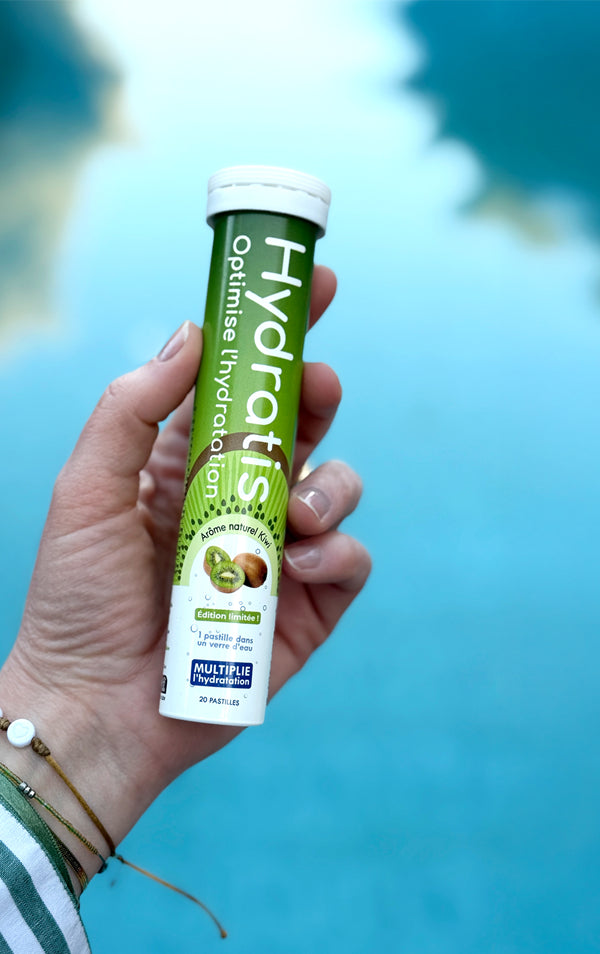
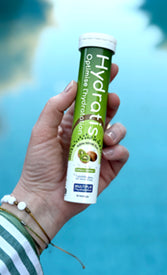
In this article we analyze the impact of altitude on our hydration needs and explain how the Hydratis solution is ideal for your stay!
The Effects of Altitude
Humidity is lower at higher altitudes, and therefore the air is drier. Sweat evaporates more quickly, and you may not realize how much water you lose through perspiration .
Furthermore, above 1000m altitude, oxygen levels decrease, requiring greater effort to inhale and exhale, which also leads to greater water loss through respiration. According to the Wilderness Medical Society , you lose twice as much water at high altitude as at sea level.
High altitude can also cause you to urinate more frequently and reduce your thirst, thus increasing your risk of dehydration .
High altitude sickness
Not only is dehydration risky in itself, but it can mask or worsen the symptoms of altitude sickness , a potentially fatal illness that can affect some people at altitudes above 2,500 meters. Both dehydration and altitude sickness can cause nausea , headaches , and fatigue.
Drinking lots of water or water with Hydratis does not help to prevent or relieve altitude sickness and the only cure for altitude sickness is still to descend to a lower altitude.
How much water is it recommended to drink at high altitude?
According to the Institute of Altitude Medicine (US) , it is recommended to drink an additional 1 to 1.5 liters of water per day at high altitudes . At altitudes above 3,000 meters, it is recommended to increase your calorie intake.
It is therefore recommended to drink a total of 3 to 4 liters per day and to enrich this water with carbohydrates and electrolytes to compensate for losses caused by altitude and exertion. While it is important to drink enough water, drinking too much can be dangerous because it can dilute your body's sodium levels, leading to weakness, confusion, and seizures, according to the IAM. A good way to check if you are properly hydrated is to check your urine. If your urine is dark rather than clear, you are dehydrated and need to drink more.
Ski holiday: What to drink and eat to maintain your energy levels?
Snow sports like skiing, snowboarding, and others are extremely energy-intensive. Therefore, combining significant physical exertion with altitude and extreme cold requires careful attention to what you consume during the day. This is especially true since meals and evenings are generally very generous and often involve alcohol ... More on that later!
What drink is best to choose on the slopes?
As we saw earlier in the article:
Altitude + physical exertion = Increases water requirements
Hydratis electrolyte solution optimizes hydration thanks to its hypotonicity. This means that fluid absorption is faster and more efficient. Electrolytes help maintain fluid balance in the body, allowing you to feel your best.
The minerals and trace elements in Hydratis also play a role in muscle recovery , thus relieving the symptoms of cramps and soreness. The trace elements, in turn, have an antioxidant effect and support the immune system, which can be weakened during periods of fatigue and dehydration .
Discover the Hydratis solution for your mountain holidays this winter!
For lovers of raclette and long aperitifs, you will be delighted to learn that Hydratis is highly recommended after alcohol consumption to avoid the so-called "hangover" and has been chosen by thousands of customers as the best hangover relief solution!
Find us in pharmacies and on hydratis.co!