Fever is a common symptom of many illnesses because it's an effective mechanism the body uses to eliminate invaders. But is it a symptom of dehydration ? And in what cases can these two phenomena occur together? That's what we'll discover in this article!
Dehydration and fever: symptoms, causes and solutions
Dehydration refers to a situation in which the body is deficient in water . Since water is essential for many of the body's organs, dehydration quickly manifests itself through signs such as fatigue, cramps , and decreased physical and mental performance.

Dehydration often occurs when a significant loss of fluid , particularly due to increased sweating, takes place over a short period, such as during episodes of diarrhea , vomiting , or after intense physical activity. In both adults and children , this fluid loss can quickly become problematic if it is not replenished.
Infants and young children are particularly susceptible to dehydration because water is so important for them. In their case, it often occurs due to illnesses that cause diarrhea, vomiting, and fever, such as gastroenteritis . It can also occur as a result of insufficient hydration in hot weather.
Fever and dehydration: a complex relationship
Does dehydration cause fever?
In cases of severe dehydration , a slight fever may develop, but this is far from being one of the most common symptoms.
If fever and dehydration are concurrent, it is more likely that the former is the cause of the latter, as a symptom of an illness that can cause significant fluid loss such as gastroenteritis or by causing heavy losses through perspiration .
Does heat cause a fever?
Heat itself does not cause fever, but it inevitably leads to a rise in body temperature . If this temperature exceeds 40°C (104°F), it can cause heatstroke or heatstroke, which are associated with fever. However, heatstroke is not the same as a fever caused by an infection, as it is generated by the environment and not by the body.
Symptoms of dehydration according to age
The symptoms of dehydration can vary considerably depending on the age of the person affected. Those most at risk are the elderly , children, and babies.
For healthy adults and adolescents, the most common symptoms are initially thirst, followed by dry lips , darker urine , and fatigue . In cases of severe dehydration, additional symptoms may appear, such as headaches , a dull and sunken appearance, and dizziness.

Dehydrated babies may have a sunken fontanelle (soft spot on the top of their head), cry without tears, and have dry diapers.
How should we react to dehydration accompanied by fever?
How to prevent dehydration?
To stay optimally hydrated and prevent dehydration in hot weather, it's essential to drink regularly and in moderate amounts. It's also important to ensure that the water you drink contains enough electrolytes to compensate for losses, as these play a crucial role in the proper functioning of the body.
What to do in case of severe dehydration?
In cases of severe dehydration , it is essential to act quickly. First, seek emergency medical attention. The doctor may administer an intravenous (IV) solution containing chloride and sodium to restore electrolyte balance and promote water retention . Then, as soon as the person is able to drink, they can be given an oral rehydration solution (ORS), which is more effective for rehydration than plain water.
What should be done in case of moderate dehydration in adults and adolescents?
In cases of moderate dehydration , it is also possible to use a rehydration solution that contains glucose and sodium in order to optimize the absorption of water by the body.
What to do in case of dehydration in infants?
Dehydration is particularly dangerous for babies, so it's crucial to be very attentive to signs that might indicate a lack of water. If you notice any, you should first contact a doctor as soon as possible and give the baby appropriate water to drink regularly.
Why use Hydratis tablets?

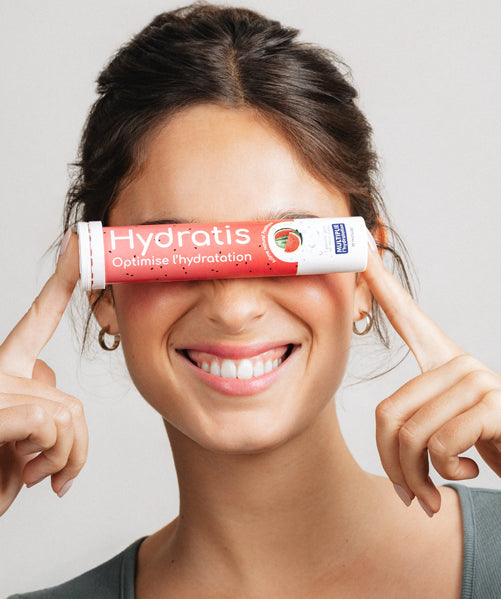
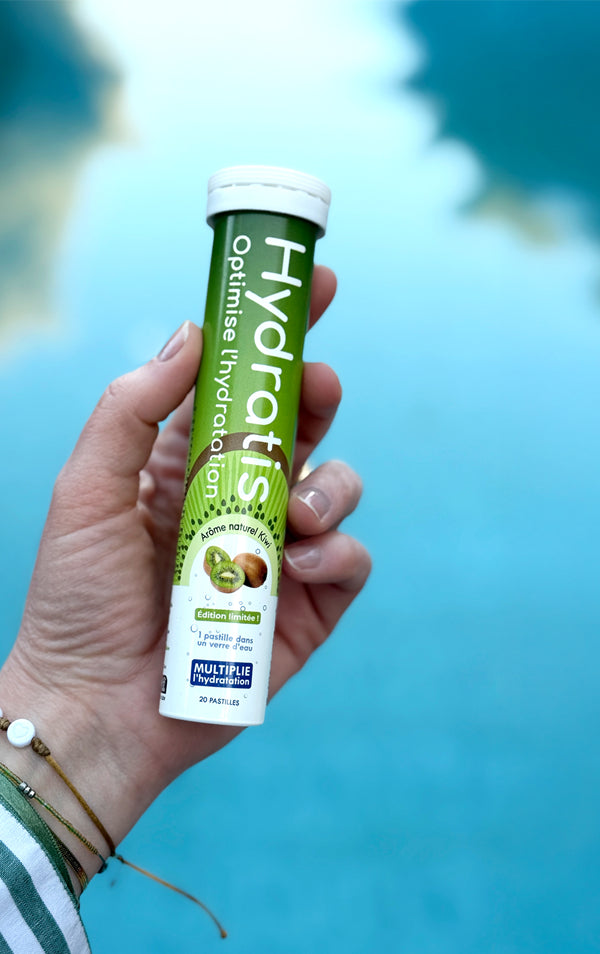
A practical and effective solution for hydration or rehydration is to useHydratis lozenges . These are specifically designed to optimize the body's absorption of water and are composed of electrolytes (sodium, potassium, magnesium, chloride, etc.) and trace elements (zinc, manganese), as well as sugar. Indeed, sugar and sodium facilitate the passage of water from the intestines into the bloodstream. It is best to take two to three lozenges between meals, up to a maximum of five per day.
Fever and dehydration are common occurrences, particularly in illnesses like gastroenteritis or after prolonged exposure to heat. To minimize health risks, it's essential to adopt simple yet crucial practices: maintain regular hydration throughout the day by drinking small amounts of fluids regularly, especially after episodes of vomiting or excessive sweating. Remember to pay particular attention to vulnerable individuals such as children and the elderly, and urge them to seek urgent medical attention for appropriate treatment. Proactive vigilance can make all the difference in preventing these potentially dangerous situations.
Bibliography:
- MSD Consumer Manual, Dehydration , https://www.msdmanuals.com/fr/accueil/troubles-hormonaux-et-m%C3%A9taboliques/%C3%A9quilibre-hydrique/d%C3%A9shydratation
- Vidal, dehydration and heatstroke, https://www.vidal.fr/maladies/douleurs-fievres/coup-chaleur.html