How to prevent nighttime cramps?
Have you ever been woken up in the middle of the night by a sudden, intense, and painful cramp in your leg? Have you experienced what's known as a nocturnal cramp , a painful and unpleasant sensation that you desperately want to end? In this article, we'll explore the physiological characteristics of a nocturnal cramp and the factors that contribute to its occurrence . We'll then discuss how to relieve them and prevent them.
What is a muscle cramp?
The symptoms of a cramp are a sudden, intense pain caused by the involuntary (i.e., uncontrolled) contraction of one or more muscles that are unable to relax. Cramps are usually benign and can occur during physical exertion or at rest. They generally last a few seconds, but they can sometimes persist for several minutes. When a cramp lasts a long time, it causes discomfort, and pain may linger in the affected muscle.
People most at risk of experiencing muscle cramps are pregnant women, the elderly, and athletes .
Muscle cramps can occur at night ; these are called nocturnal cramps. They should be distinguished from exercise-induced cramps, which occur during physical activity and are due to an excess of calcium in the muscle and a lack of sodium in the body . Calcium is essential for muscle contraction and is released in large quantities during exertion.
Nighttime cramps are located in the calf and foot. They are multifactorial (several factors can cause them). Their main causes are thought to be a lack of trace elements, particularly magnesium, potassium, or salt (sodium chloride), or an imbalance of nutrients.
What are the contributing factors?
There are many factors that contribute to the occurrence of nocturnal cramps:
● Overuse of one or more muscles during intense and prolonged physical activity, or the repeated action of the same muscle. This is exacerbated in hot weather.
● One or more deficiencies in minerals such as magnesium, potassium or calcium
● A prolonged static position forces certain muscles to remain contracted for an extended period
● Certain diseases such as diabetes, rheumatoid arthritis, thyroid diseases, or neurological diseases
● Circulatory problems , because they lead to a lack of oxygenation and essential nutrient supply to the muscles to ensure their proper functioning
● Certain medications such as antihypertensives (for high blood pressure, like diuretics), cholesterol- lowering drugs , or medications used for osteoporosis
● Chronic kidney disease and hemodialysis sessions lead to a significant loss of water and salt
● Cirrhosis
● Poisoning by heavy metals, animal venoms, etc…
How to relieve a cramp?
Most cramps stop on their own after about 15 minutes. But sometimes they can last longer, leaving more persistent discomfort and pain ; therefore, it is essential to relieve the cramp as soon as it occurs to minimize its duration and the pain it causes.
Stretching soothes cramps. During a cramp, the muscle should be stretched gently, avoiding any sudden movements that could cause a muscle tear. Walking also helps to stretch and relax the muscle.
Massaging the muscles helps to warm them up and promotes relaxation. A massage cream or gel can be used.
Be careful, a common mistake is rinsing your leg with cold water. Cold water actually promotes muscle contraction and causes vasoconstriction . Therefore, you should rinse while gradually increasing the water temperature to warm the muscles and encourage relaxation.
If nighttime cramps become recurrent, they are considered chronic . In this case, you should consult your doctor as medication may be necessary.
How to prevent nighttime cramps?
While traditional home remedies may help prevent nighttime cramps, they are not scientifically proven and their effectiveness has never been demonstrated. For example, placing a bar of Marseille soap at the foot of the bed or under the sheets is said to compensate for potassium deficiencies, and placing magnets under the mattress is believed to reduce the occurrence of cramps.
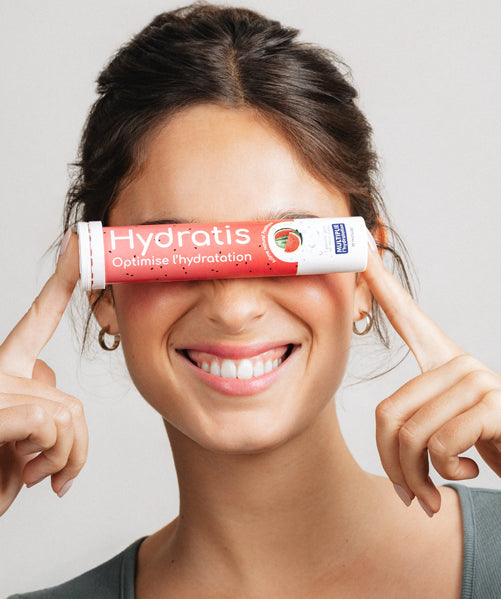
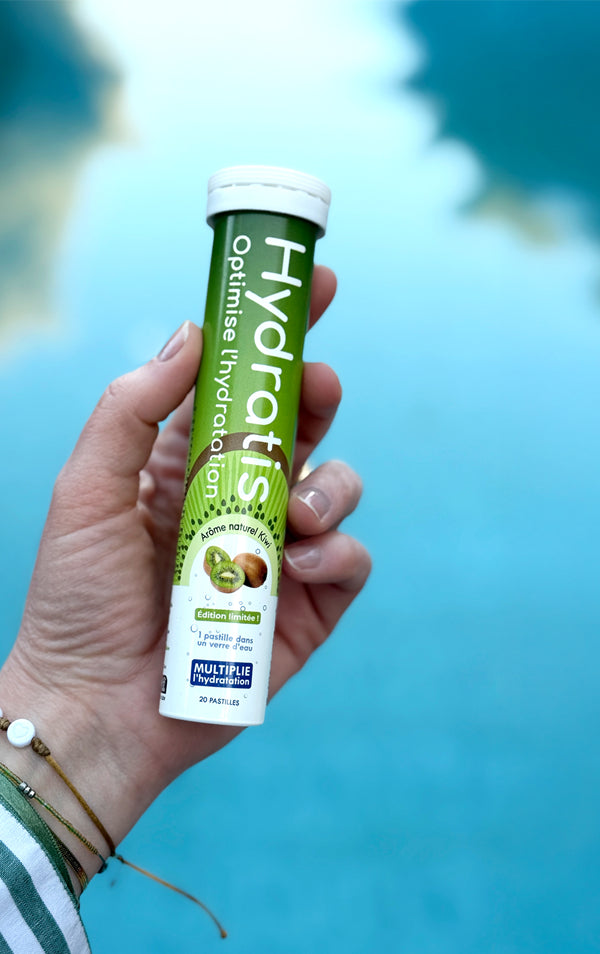
To avoid cramps, it is essential to eat a balanced and varied diet, including five servings of fruits and vegetables a day, and to stay regularly and sufficiently hydrated ( at least 1.5 liters per day ). This ensures an adequate intake of trace elements to prevent deficiencies. Hydratis lozenges promote better water absorption and are a significant source of trace elements: Magnesium , Potassium , Chloride, Zinc, Manganese, and Sodium Chloride.
Tobacco, alcohol and caffeine should be limited as they are stimulants and promote muscle contractions.
Homeopathy can also be used preventively. One remedy is Cuprum metallicum 5 CH, of which 5 granules should be taken each evening at bedtime.
Poor venous circulation can be a contributing factor to the occurrence of cramps, so to improve it it is possible to elevate the legs at night using a cushion placed under the calves and feet.
Finally, massages with essential oils (lavender, clove, and bay laurel) can help relax muscles before bed. However, essential oils are strongly discouraged for pregnant women and children.