You're probably familiar with that sudden, intense pain that seizes a muscle without warning. Muscle cramps don't discriminate: they affect everyone from seasoned athletes to sedentary people prone to nighttime contractions that disrupt sleep. While they're usually not serious, they can quickly become bothersome when they recur .
Fortunately, there are concrete solutions to effectively prevent them . In this article, we offer a comprehensive approach to understanding the mechanisms of cramps and implementing preventative strategies tailored to your situation.
What is a muscle cramp?
A muscle cramp is an involuntary, sudden, and painful contraction of one or more muscles. This phenomenon results from hyperexcitability of the muscle fibers , which contract uncontrollably , without the ability to stop it. Unlike muscle soreness, the pain appears abruptly , and the muscle becomes hard and tense , making any movement difficult or even impossible. A cramp episode generally lasts from a few seconds to several minutes, depending on the case. The most frequently affected areas are the calves , thighs , and feet .
The main causes of cramps
Electrolyte imbalances
The proper functioning of your muscles relies on a delicate balance between several ions, including magnesium, potassium, calcium, and sodium . Each of these minerals plays a specific role in the transmission of nerve impulses and the muscle contraction-relaxation cycle . In the event of an imbalance or deficiency , neuromuscular function can become disrupted . Your muscle fibers then contract erratically and involuntarily , causing those familiar spasms.
Dehydration
Your muscles are composed of approximately 75% water . This is why insufficient hydration disrupts electrolyte balance and proper neuromuscular function. It can also impair local blood circulation and slow the elimination of metabolic waste . Combined, these factors create an environment conducive to cramps, particularly during exercise or at night .
Intense or prolonged physical effort
Intensely working your muscles leads to an accumulation of metabolic waste and a depletion of energy reserves. Fatigued muscle fibers then become more susceptible to involuntary contractions . Furthermore, inappropriate training or an insufficient warm-up significantly increases the risk.
Other aggravating factors
According to a review published in StatPearls , several other factors can contribute to the development of cramps: poor blood circulation , certain medications , prolonged standing or sitting , cold weather , pregnancy , stress , age , or certain diseases .
How How to avoid cramps on a daily basis?
1. Adopt an appropriate hydration plan

Drink regularly throughout the day , without waiting until you feel thirsty. Aim for about 1.6 to 2 liters of water daily , more if you are physically active. During prolonged exertion (over 90 minutes) , remember to hydrate with a electrolyte-rich drink .
2. Replenish your essential minerals and vitamins
Choose foods rich in:
- Magnesium : almonds, spinach, dark chocolate;
- Potassium : bananas, avocados, potatoes;
- Calcium : dairy products, green vegetables.
Dried fruits (figs, dried apricots) and legumes (lentils, chickpeas) are excellent sources of minerals that you can easily incorporate into your diet.
Also consume foods rich in B vitamins (whole grains, eggs), vitamin C (citrus fruits, peppers) and vitamin D (oily fish, fortified products).
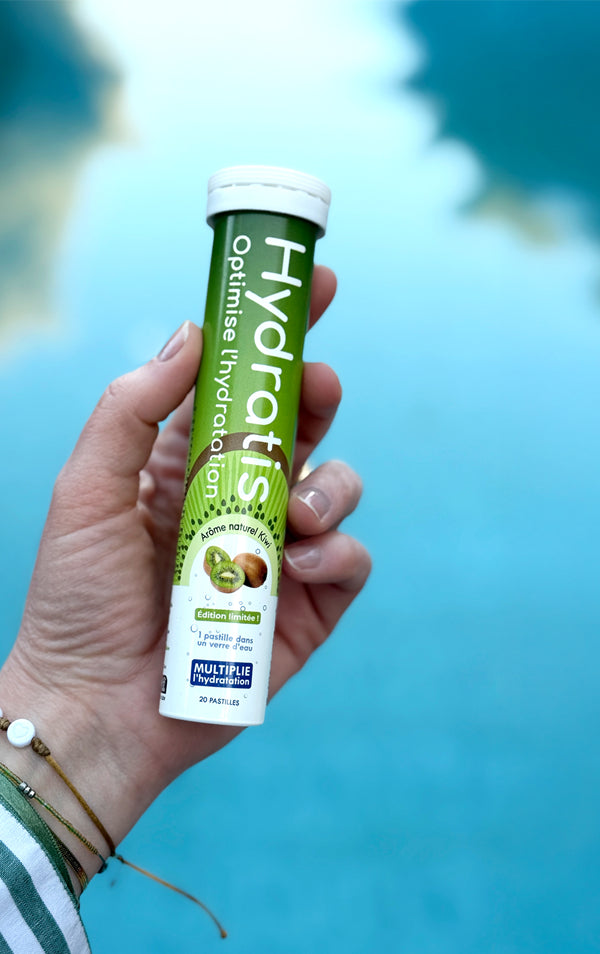
If necessary, dietary supplements in tablet form may be considered after consulting a healthcare professional to restore mineral balance.
3. Be physically prepared
Maintain regular physical activity to gradually strengthen your muscles, avoiding sudden changes in intensity . Conditioned muscles are more resistant to fatigue and naturally less prone to cramps . A sports professional (coach, physiotherapist) can help you adapt your training program to your level and goals.
4. Warm up the muscles properly
Warming up is not optional . Dedicate at least 10 minutes to preparing your muscles for exercise with progressive movements. Always finish your sessions with gentle stretches to promote recovery and relax tense muscles.
5. Optimize rest and recovery
Give your body the time it needs to recover between sessions . Quality sleep (7 to 8 hours per night) allows for muscle regeneration. Also try massages , hot baths , and relaxation techniques that help you unwind.
Immediate solutions for cramps
According to the recommendations of the French National Health Insurance ( Ameli ), as soon as a cramp appears:
1. Stop all activity immediately.
2. Gently stretch the affected muscle , holding the position for 15 to 30 seconds. For a calf cramp , straighten your leg and pull your toes towards you. This forced stretching technique provides quick relief.
3. Next, massage the contracted area with gentle circular movements.
When should you consult a doctor?
Consult a healthcare professional if your cramps become frequent , very intense , persist despite preventive measures, are accompanied by swelling , or occur unrelated to physical exertion . Regular cramps may indicate a underlying pathology requiring appropriate diagnosis.
FAQ: Cramps and Prevention
Why do I often get cramps at night?
Nighttime cramps often result from prolonged immobility, accumulated dehydration during the day, or magnesium deficiencies.
What foods should be avoided to limit cramps?
Limit alcohol and caffeine , which promote dehydration, as well as processed foods high in sodium.
Is magnesium really effective against cramps?
Magnesium plays an active role in muscle relaxation. Supplementation may be beneficial in cases of deficiency, but consult your doctor first.
Are athletes more prone to cramps?
Athletes are at increased risk due to the intense strain on their muscles and significant electrolyte losses through perspiration .
Which drink is best for preventing cramps?
Water remains the best option. For prolonged exertion, isotonic drinks provide the necessary electrolytes.
Conclusion
Muscle cramps are not inevitable. By maintaining regular hydration, eating a balanced and varied diet, and respecting the principles of warm-up and cool-down , you can significantly reduce their frequency. Listening to your body remains essential: adapt your exertion to your abilities and don't hesitate to consult a doctor if cramps persist.
This information is provided for informational purposes only and does not replace personalized medical advice.
Bibliography
Maughan, R.J., & Shirreffs, S.M. (2019). Muscle cramping during exercise: Causes, solutions and questions remaining. Sports Medicine , 49 (Suppl. 2), 115-124. https://doi.org/10.1007/s40279-019-01162-1
Yu-Yahiro JA (1994). Electrolytes and their relationship to normal and abnormal muscle function. Orthopedic nursing, 13(5), 38–40. https://doi.org/10.1097/00006416-199409000-00008
Hackney, KJ, Cook, SB, Fairchild, TJ, & Ploutz-Snyder, LL (2012). Skeletal muscle volume following dehydration induced by exercise in heat. Extreme Physiology & Medicine , 1 (1), 3. https://doi.org/10.1186/2046-7648-1-3
Nelson, N.L., & Churilla, J.R. (2016). A narrative review of exercise-associated muscle cramps: Factors that contribute to neuromuscular fatigue and management implications. Muscle & Nerve , 54 (2), 177-185. https://doi.org/10.1002/mus.25176
Bordoni, B., Sugumar, K., & Varacallo, M. (2025). Muscle Cramps. In StatPearls . Stat Pearls Publishing. https://www.ncbi.nlm.nih.gov/books/NBK499895/
Lau, W.Y., Kato, H., & Nosaka, K. (2019). Water intake after dehydration makes muscles more susceptible to cramp but electrolytes reverse that effect. BMJ Open Sport & Exercise Medicine , 5 (1), e000478. https://doi.org/10.1136/bmjsem-2018-000478
Health Insurance. (August 12, 2025). Cramps: what to do and when to consult a doctor? Ameli.fr . https://www.ameli.fr/assure/sante/themes/crampes-musculaires/que-faire-crampes
Miller, KC, McDermott, BP, Yeargin, SW, Fiol, A., & Schwellnus, MP (2022). An Evidence-Based Review of the Pathophysiology, Treatment, and Prevention of Exercise-Associated Muscle Cramps. Journal of Athletic Training , 57 (1), 5-15. https://doi.org/10.4085/1062-6050-0696.20