We often hear about the importance of electrolytes for the body . But how can we easily consume them? In this article, we'll see how to make your own electrolyte drink to ensure you get the electrolytes you need for the day.
What is an electrolyte?

Electrolytes, or minerals , are the ions (atoms with extra or missing electrons and therefore electrically charged) circulating in the blood. The main electrolytes are sodium (Na+), found in table salt, potassium (K+), found in bananas and dried fruit, calcium (Ca2+), found in dairy products and legumes, and magnesium (Mg2+) , found in seeds and nuts.
Why are electrolytes essential for your health?
The benefits of electrolytes on the body
First, they ensure the maintenance of fluid balance: electrolytes, such as sodium and potassium , regulate fluid balance by controlling the movement of water between cells and fluids. Through osmosis and the action of the kidneys, they maintain optimal hydration , essential for proper cell function, blood circulation, and temperature regulation.
Furthermore, they also play a role in muscular and nervous system function. Nerves transmit electrical impulses through a mechanism called the action potential , which is electrolyte-dependent. These impulses then control muscle contraction and thus impact the muscular system. Electrolytes therefore facilitate these transmissions and their effectiveness.
And they will ensure the regulation of blood pressure , as each of the ions has an impact on blood pressure regulation. Sodium will increase blood pressure, unlike potassium and magnesium, which reduce it. Calcium, on the other hand, stabilizes it. It is therefore important to have a balance between these ions in order to guarantee optimal blood pressure and prevent hypertension.
Electrolyte balance is fundamental to your body; it regulates vital functions such as hydration , muscle, nerve, and heart activity.
The risks of an electrolyte deficiency
An electrolyte deficiency can pose risks to your health . There are two main types of deficiency: sodium deficiency and potassium deficiency. Each deficiency is associated with different symptoms and risks.
For sodium, general weakness may be felt as well as concentration problems, headaches , nausea or cramps .
Potassium deficiency is more related to the heart and can therefore cause muscle weakness , heart palpitations or numbness .
Since dehydration is directly linked to an electrolyte deficiency, the consequences are similar. Adequate hydration is therefore essential to avoid all the problems mentioned above.
How to naturally replenish electrolytes?

Which foods are rich in electrolytes?
To help you consume your electrolytes more easily, we will give you a list of different foods that contain electrolytes.
For potassium, you can eat: bananas , avocados , spinach , sweet potatoes or tomatoes .
When it comes to sodium, we turn to sea salt , seaweed and canned vegetables.
In addition, dairy products provide calcium, but so do leafy green vegetables and almonds.
Finally, sources of magnesium include almonds, green vegetables, and dark chocolate.
How to replenish electrolytes?
To maximize your electrolyte intake , it is advisable to consume a variety of foods rich in essential minerals and vitamins. The list we have compiled above can help you get an idea of what is best to eat.
To help you, you can also include fruit or vegetable-based drinks, such as smoothies or juices, which will provide more electrolyte intake.
Electrolyte drinks: practical and effective solutions
Which drink is rich in electrolytes?
There are several drinks that are naturally rich in electrolytes . We are talking here about coconut water , which is a source of potassium, sodium, magnesium and calcium, but also about drinks made from vegetable juices (beetroot, celery, cucumber), which are full of minerals and vitamins.
The different types of electrolyte drinks:
When we talk about electrolyte drinks, there are actually 4 types:
- Isotonic drinks , which are designed to maintain optimal hydration during exercise and contain minerals and sugars.
- Hypotonic drinks , which are used for recovery because they are low in electrolytes and carbohydrates.
- Hypertonic drinks, on the other hand, contain a lot of electrolytes and carbohydrates and are used during intense physical activity to provide a rapid energy boost.
- Pure electrolytes are not just for sports, but also for everyday life and allow you to replenish essential minerals.
How to make a homemade electrolyte drink
Ingredients for a homemade electrolyte drink
You can make your own electrolyte drinks at home . Simply mix water with sea salt, natural sugars, and optionally flavorings like lemon or other juices. This will provide the hydration, minerals, and energy you need for your activity.
Natural sugars:
For your homemade drink, various natural sweeteners are available, such as honey or maple syrup if you have some. Otherwise, adding fruit juice will work just fine.
Our solutions to meet your electrolyte needs!

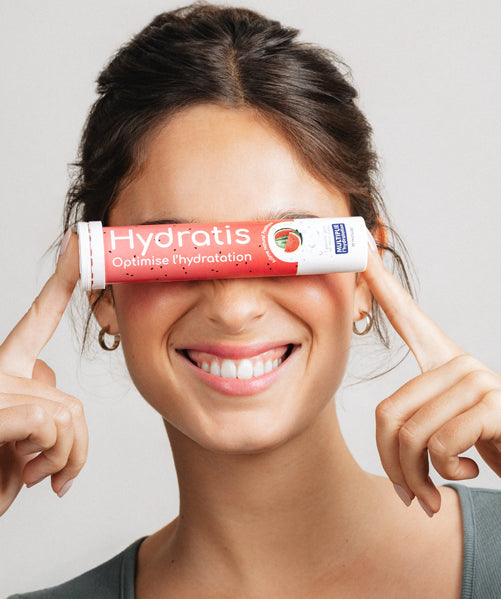
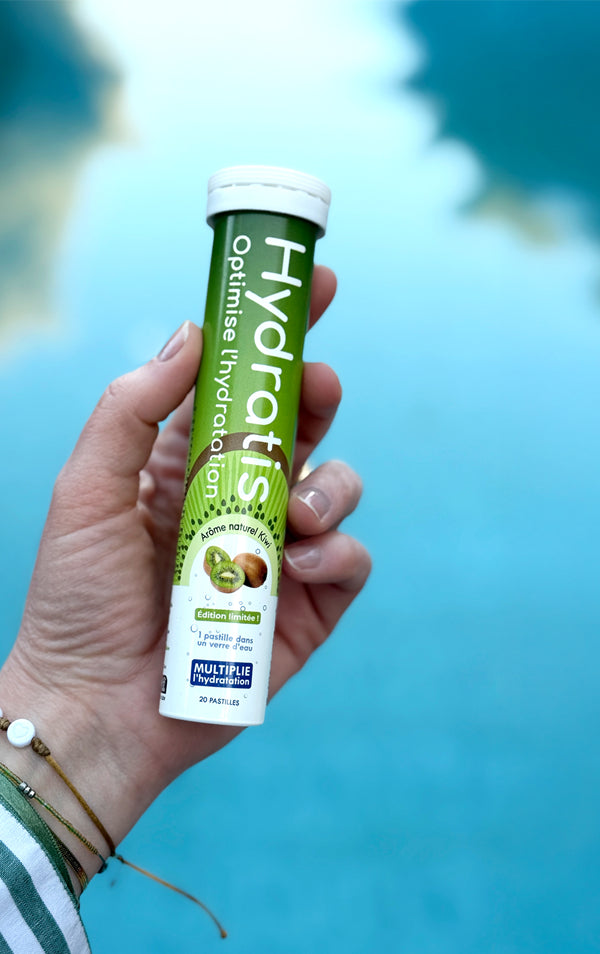
To support optimal hydration, hydration solutions such as Hydratis tablets are particularly effective. Hydratis effervescent tablets contain the right balance of glucose (sugar) and sodium (salt) to optimize hydration , while also enriching the water with electrolytes . Furthermore, the effervescent tablets are available in several flavors such as peach, mixed berries, lemon, pineapple, watermelon, coconut, and more, so that hydration is never a chore!
Preparing your own electrolyte drink is therefore relatively simple and very useful for providing the minerals necessary for the proper functioning of our body. Hydratis is here to provide an ideal balance between hydration and electrolytes , simply by adding our tablets to water.
Bibliography:
Lobo, D.N. (2004). Fluid, electrolytes and nutrition: physiological and clinical aspects. In Proceedings of the Nutrition Society (Vol. 63, Issue 3, pp. 453-466). Cambridge University Press (CUP). https://doi.org/10.1079/pns2004376