What is the difference between an energy drink and a sports drink?
Energy drinks and sports drinks: two words that sound very similar but are semantically very different. This difference is mainly due to the composition of these two types of drinks, which influences their effects.
Sports drinks all consist of the same basic elements: electrolytes and mineral salts such as sodium or potassium (see article on the role of mineral salts in hydration). They also contain fast or slow sugars used as a source of energy during exertion. Finally, they contain different types of vitamins: B vitamins (used for electrolyte assimilation and energy production), and vitamin C as an antioxidant.
Energy drinks most often contain: vitamins, caffeine, numerous amino acids (taurine in Red Bull is the best known), but also a very large quantity of sugars.
There is therefore a big difference in their composition, which makes their uses completely different.
Which drink for exertion?
When you look at the composition of these drinks, it quickly becomes clear that sports drinks are more suitable for exertion and hydration than energy drinks.
Sports drinks are also called isotonic drinks: thanks to their high concentration of electrolytes, they help maintain a good balance in the components of blood plasma. They therefore help compensate for losses due to exertion.
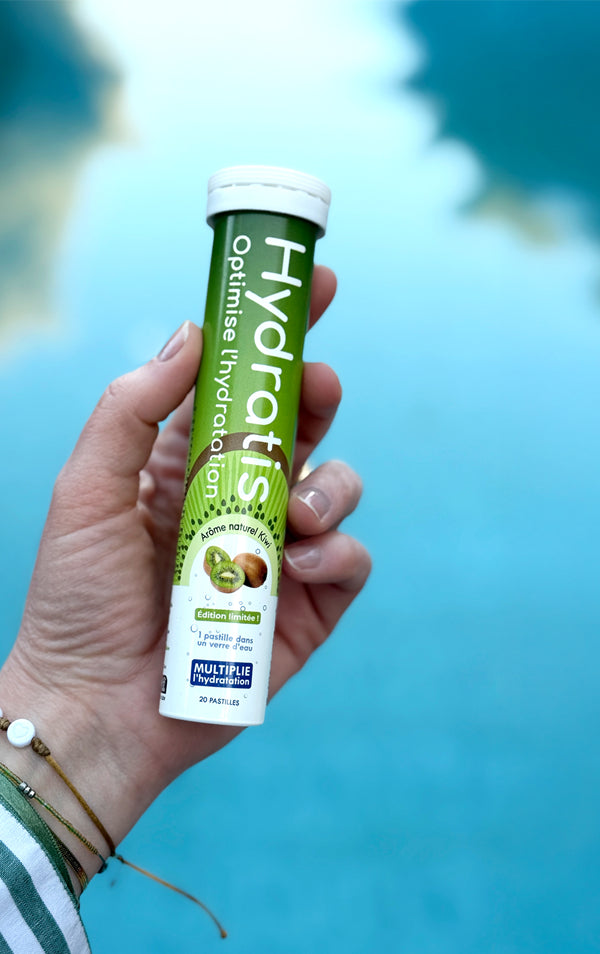
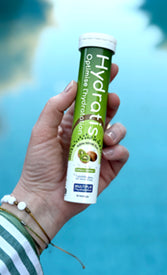
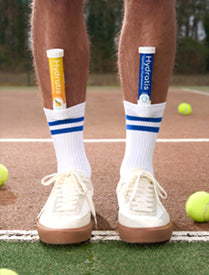
Hydratis tablets allow you to transform any drink into an isotonic cocktail of your choice with an ideal electrolyte composition to prevent dehydration during exercise, compensate for losses or recover from a night of heavy drinking.
Energy drinks have a "boost effect" thanks to their components, but no physiological improvement to aid exertion.
They are even discouraged for athletes for several reasons: firstly, because of their too high sugar content, which unbalances the composition of blood plasma and hinders proper hydration; secondly, because of their absence of mineral salts and electrolytes, which does not allow for rebalancing blood acidity during exercise or compensating for losses. Finally, they have a diuretic effect that promotes dehydration.
The impact of hydration on performance
Clear water itself plays a crucial role: when absorbed, it passes into the blood and becomes a component of blood plasma. It thus helps maintain an adequate blood volume to ensure oxygen transport, which is essential in sport for the proper functioning of muscles.
Indeed, when we sweat, we lose water, so plasma volume decreases: blood flow to the muscles is less good, which reduces the oxygen supply that allows them to function optimally.
Isotonic drinks are also called sports drinks because their electrolyte composition allows for improved recovery, endurance, and physical performance.
Indeed, oxygen is not the only element necessary for physical exertion. The B vitamins contained in these drinks promote hydration by allowing better assimilation of electrolytes and participate in the physiological reactions of energy production.
Electrolytes are not chosen at random and each has a precise role: water attraction, buffer for blood pH (reduce acidity caused by sport), aid to muscle contraction, energy production... (for more details, see the article on the role of electrolytes in hydration).
How to measure your hydration level?
It is very important to know how to spot the first signs of dehydration, whether during sports, hot weather, or even after heavy alcohol consumption, which is also a source of dehydration.
Thirst is the body's first warning system for dehydration, even if it often occurs when dehydration has already begun.
It is especially important to recognize signs related to poorer tissue oxygenation: physical and mental fatigue, headaches, accelerated heart rate, decreased urine output (oliguria), hypo or hyperthermia, possible disturbances of consciousness (from confusion to coma in the most severe cases).
Body weight is also a good indicator: in extreme cases, chronic dehydration can lead to weight loss of up to 20% of body weight.
Refer to articles on chronic dehydration and different types of dehydration.