Hydration is often cited as one of the essential pillars of a healthy lifestyle. Yet, it remains underestimated in our daily lives. Invisible and easily forgotten, proper hydration is nevertheless crucial for ensuring the proper functioning of both body and mind. So, how do we stay properly hydrated? In this article, we'll guide you through the basics of hydration and offer tips for achieving it every day.
What do we mean by water intake?

Water intake is the total amount of water we consume daily , whether through drinks or food.
It's important to know that the main sources of water are beverages such as water, tea, coffee, and soft drinks, but also fruits and vegetables . In fact, most vegetables contain between 90 and 95% water.
Water requirements according to age and lifestyle
Water requirements in adults
For adults, the water requirement is between 2.5 and 3 liters for men and between 2 and 2.5L for women . However, this does not mean that this is the quantity you should drink because the fruits and vegetables you eat daily help you to meet this need.
It is generally recommended that you drink between 1.5 and 2 liters of water per day (for women and men respectively), which is more achievable. These figures are not fixed; they depend on various factors. The amount of water needed will be influenced by the climate , physical activity , and diet . Therefore, you will need to drink more if you live in a hot climate, if you exercise, or if you eat salty or protein-rich foods.
For women, hydration needs are also greater during pregnancy or breastfeeding. During pregnancy, we recommend drinking 1.5 liters of water per day, in addition to food, and 2 liters for a woman who is breastfeeding.
Water requirements in seniors

For seniors , the need for hydration is just as important. Taking medication, for example, is a factor to consider and requires increased hydration.
Furthermore, certain physiological changes affect hydration in older adults. Indeed, the risk of dehydration Blood oxygen levels are higher and the sensation of thirst decreases with age. Most of the time, kidney function is reduced, and the urge to urinate comes on more quickly. Therefore, it's necessary to drink more water to compensate for these losses.
Proper hydration helps prevent complications such as low/high blood pressure ,fatigue , kidney problems, and urinary tract infections . It is therefore important to drink water regularly , even if you don't feel thirsty.
The hydration needs of athletes
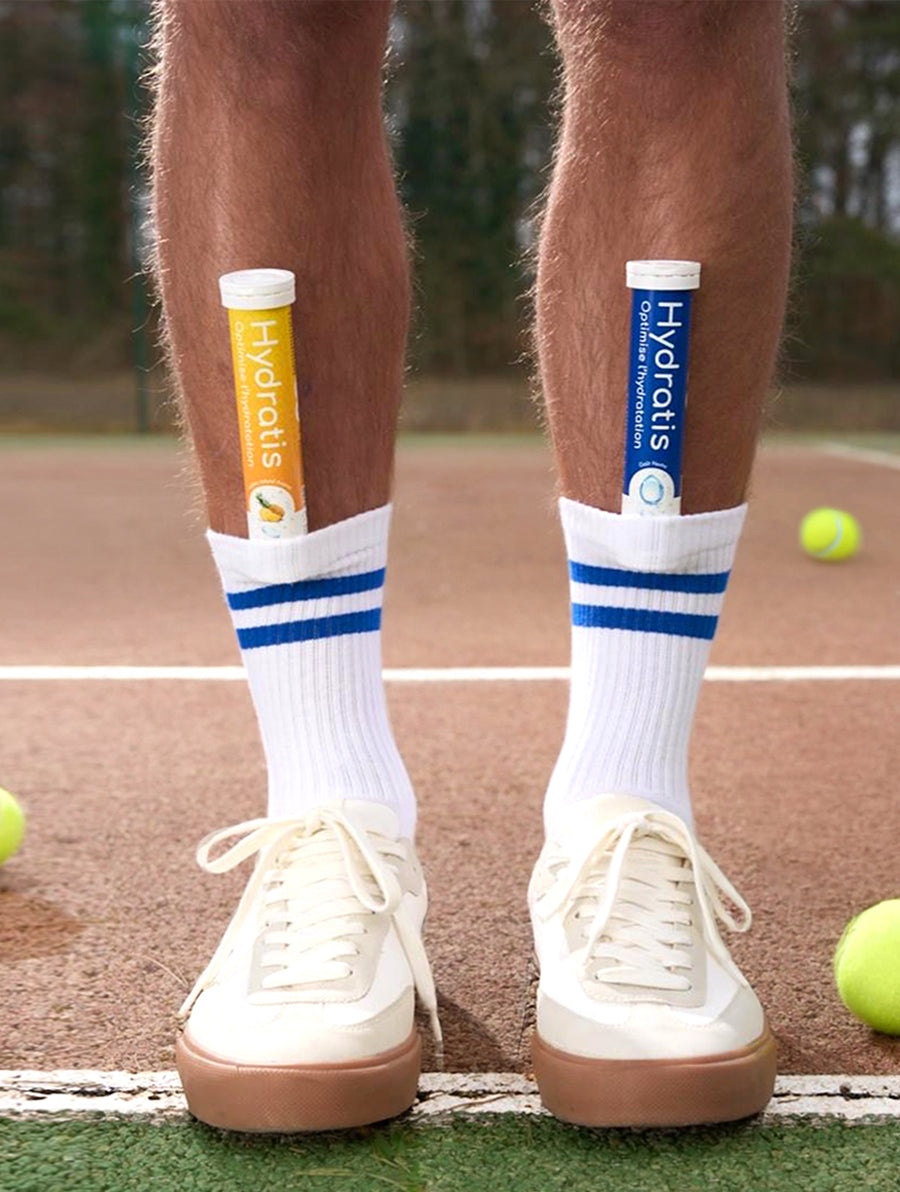
During a sporting activity , water intake must be greater , particularly because of perspiration as well as the loss of 1% of body water mass which already has negative effects on sporting performance (this represents about 10% less physical and cognitive performance!).
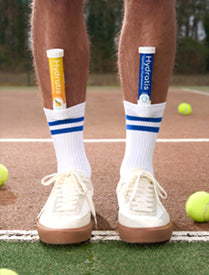
Therefore, it is recommended to increase your water intake before exercise and to continue drinking approximately 200 mL every 20 minutes during activity, supplementing with an electrolyte-rich drink to provide all the essential minerals you need. It is recommended to consume between 500 and 800 mL of water per hour of exercise, depending on weather conditions, your fitness level, perspiration, etc. Don't forget, post-workout rehydration is essential for proper recovery and to replenish your water and electrolyte stores!
How to properly distribute your water intake throughout the day?
Drinking regularly throughout the day is key. The goal is to drink at fairly regular intervals, even if you don't necessarily feel thirsty. However, it's advisable to avoid drinking too much water before going to sleep to prevent waking up with a strong urge to urinate.
The most common mistakes are drinking either too little or too much at once. The sensation of thirst is an indicator that the body is already dehydrated , so it should be avoided if possible. Furthermore, drinking too much can overload the kidneys and thus cause an electrolyte imbalance in the blood.
To ensure effective hydration , you must listen to your body and always have water nearby so you can drink regularly throughout the day. To make it easier to drink more, you can also vary your sources of hydration.
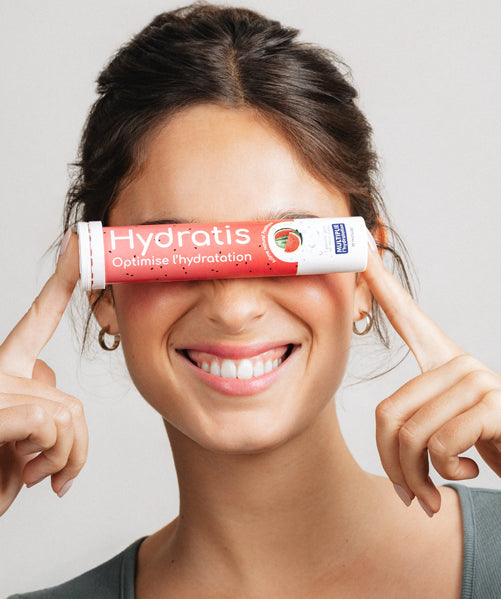
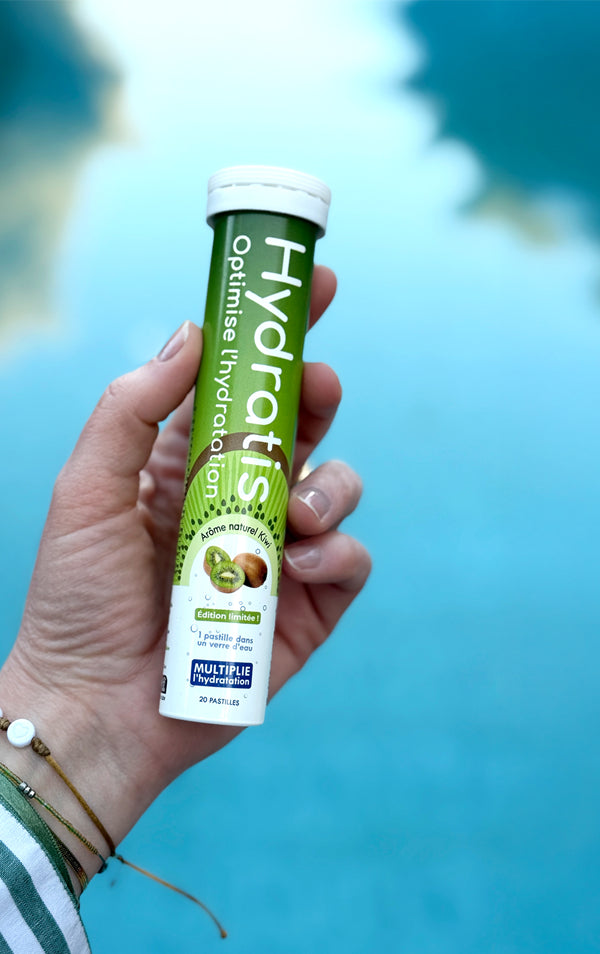
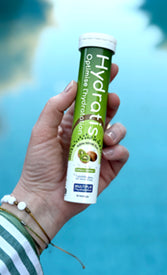
Finally,Hydratis lozenges make it easier to stay hydrated thanks to the different flavors and the electrolytes and trace elements they contain, which are essential on a daily basis.

Calculating your water intake: an estimate tailored to your daily life
To help you estimate your daily water needs , there are several methods. The simplest is a quick calculation: you should drink approximately 35 mL of water per kilogram of body weight. For example, a person weighing 80 kg would need 2.8 L per day. If you are physically active, you can add between 500 mL and 800 mL per hour of exercise, depending on the intensity. Alternatively, you can use ouronline hydration assessment tool on our website, where you will find recommendations on the amount of water to consume per day.
There are also apps like Chron'eau or Hydro Coach that can help you track your daily water consumption.
Hydration is essential for the proper functioning of our body and mind , and simple methods are available to help you optimize your water intake. These tools are unique to each individual and will depend on your activity level, diet, and age; therefore, it's important to personally determine your daily hydration needs .
Hydratis is here to help you, thanks to our tablets that promote optimal hydration in all circumstances!